 Sign in
  Add Your Clinic
  USD $
USD $



Bunion Surgery in Dong Thap
Search and Compare the Best Clinics and Doctors at the Lowest Prices for Bunion Surgery in Dong Thap
 Dong Thap, Vietnam


 Stephanie Barr, 17 May 2020
  Cafe
Cafe  Free Wifi
  International newspapers
  Pharmacy
  Read More
Dong Thap, Vietnam
Read More
Dong Thap, Vietnam 


 Mobility accessible rooms
  Parking available
Dong Thap, Vietnam
Parking available
Dong Thap, Vietnam 


 Dong Thap, Vietnam


No Time?
Tell us what you're looking for and we'll reach out to the top clinics all at once
 Free
Free  Best Price
  Widest Selection
  Risk-Free
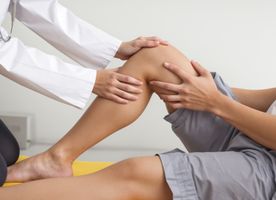
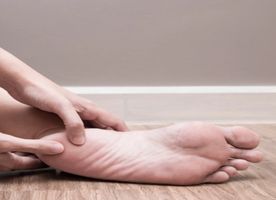
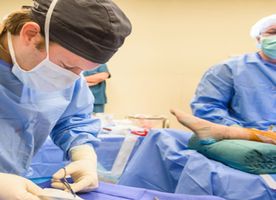
What does a Bunion Surgery Procedure Involve?
Primarily intended to correct the deformity and alleviate discomfort, a bunion surgery procedure often involves an incision on the top or side of the big toe joint and the removal or realignment of soft tissue and bone. This successfully restores normal function and significantly reduces pain.
In simple terms, your surgeon, using various surgical instruments, will bring your toe back to its correct position. Depending on your specific conditions, the surgeon might use small wires, screws, or plates to hold your bone steady during recovery. There are several surgical techniques, and the choice of method will primarily depend on your specific condition. Your surgeon will discuss in detail the proposed surgical plan that suits your individual requirements.
How Long Should I Stay in Dong Thap for a Bunion Surgery Procedure?
With advancements in healthcare and medical technology, bunion surgery is usually done as an outpatient procedure. This means that, after surgery, you would typically be allowed to return home on the same day. However, if you are seeking medical care in Dong Thap from another location, it would be wise to anticipate staying in the area for a few days to a week post-operation.
This stay ensures that you can attend initial follow-up appointments and manage any immediate post-operative complications under the care of your surgical team. It also provides the required rest and minimizes unnecessary movement, speeding up the healing process. It is essential to consider these factors in your travel plans when considering bunion surgery in Dong Thap.
What's the Recovery Time for Bunion Surgery Procedures in Dong Thap?
Recovery from bunion surgery can take anywhere from six weeks to six months, depending on the complexity of the surgery and your body's healing response. In many cases, patients in Dong Thap can start to walk with the help of surgical shoes or boots just a few days after surgery.
However, bear in mind that full recovery, allowing for normal footwear and activities, might take longer. This recovery period also involves post-operative care like icing, foot elevation, moderate exercises, and rest, which your surgeon will clearly guide you on. Considering the long-term benefits of bunion surgery, patience during the recovery period becomes critical in enhancing your foot health.
What's the Success Rate of Bunion Surgery Procedures in Dong Thap?
The success rate for bunion surgery in Dong Thap is generally high. With experienced surgeons and comprehensive healthcare facilities, patients can expect significant improvements in pain and foot function. But like all surgical procedures, bunion surgery has potential risks and complications that must be discussed with your surgeon.
Scientific literature suggests that approximately 85-90% of bunion surgery patients report satisfaction with their results. However, it is crucial to consider that success for a patient means a reduction in pain and improved function, not necessarily achieving a “perfect” foot. Achieving realistic expectations, therefore, is a key constituent of perceived success.
Are there Alternatives to Bunion Surgery Procedures in Dong Thap?
There are multiple non-surgical options that may help manage your bunion symptoms in Dong Thap. These methods mainly centre around discomfort alleviation and prevention of further misalignment, rather than correcting the existing deformity.
- Use of foot supports: Orthotic devices or padded shoe inserts may have a significant impact on comfort levels. These supports alleviate pressure on the bunion and can help distribute body weight evenly as you walk or run, reducing pain and slowing the progression of bunions.
- Reconstructive footwear: Comfortable and well-fitting shoes with a wide toe box provide the toes with ample room to move. This can lessen discomfort and prevent exacerbation of the bunion. Shoes with heels higher than two inches should generally be avoided as they can place excess pressure on the forefoot and potentially worsen bunion symptoms.
- Medication: Regular use of over-the-counter pain relievers, such as Acetaminophen (Tylenol), Ibuprofen, or Naproxen sodium can be effective for managing bunion-related discomfort.
- Protective pads: Silicone or moleskin bunion pads placed over the bunion can help minimize pain caused by shoe pressure, providing a significant degree of relief.
- Physiotherapy: This is a more proactive measure, consisting of strength training and stretching exercises, which can improve joint function and promote mobility. Consult with a professional physiotherapist for a personalized regimen that will help you deal with your unique needs.
- Warm foot bath with Epsom salts. It's a simple and affordable option that helps reduce inflammation and relieves pain.
There's no one-size-fits-all solution, and often, a combination of methods results in the most effective relief. Depending on your symptoms' severity, non-surgical alternatives may be an effective way to manage your bunions before considering surgical intervention in Dong Thap.
What sort of Aftercare is Required for Bunion Surgery Procedures in Dong Thap?
Aftercare plays an integral role in the successful recovery from bunion surgery in Dong Thap. For the first few days or even weeks, you'll need to rest, and keep your foot elevated as much as possible to reduce swelling. Pain-relief medications may be prescribed by your surgeon to manage discomfort.
Also, caring for your surgical wound is important. You're encouraged to keep your wound dry and clean to prevent infections. In some cases, a short course of antibiotics may be given as a preventative measure. You may also be given guidelines on how to change your dressings.
Physiotherapy and rehabilitation exercises often form an important part of aftercare. These exercises improve foot strength and mobility. Your surgeon or physical therapist will guide you on activities that are safe for you to perform during your recovery.
Adhering to follow-up appointments is essential in Dong Thap, even if you feel your foot is healing well. These check-ups allow your surgeon to monitor your progress and catch any potential complications early.
This information has been accurately sourced and verified by a medical professional for its accuracy, however, we strongly recommend you to consult with your doctor before pursuing medical procedures overseas.




 MyMediTravel CN