 Sign in
  Add Your Clinic
  USD $
USD $



Craniotomy in Tunisia
Search and Compare the Best Clinics and Doctors at the Lowest Prices for Craniotomy in Tunisia
 Tunis, Tunisia


 Saoussen Saidani, 13 June 2020
  Airport pickup
  Family accommodation
  Free Wifi
  Health insurance coordination
  Read More
Mahdia, Tunisia
Read More
Mahdia, Tunisia 


 Flight booking
Sousse, Tunisia
Flight booking
Sousse, Tunisia 


 International newspapers
  Interpreter services
Tunis, Tunisia
Interpreter services
Tunis, Tunisia 


 Cafe
Cafe 


 Laundry


No Time?
Tell us what you're looking for and we'll reach out to the top clinics all at once
 Free
Free  Best Price
  Widest Selection
  Risk-Free

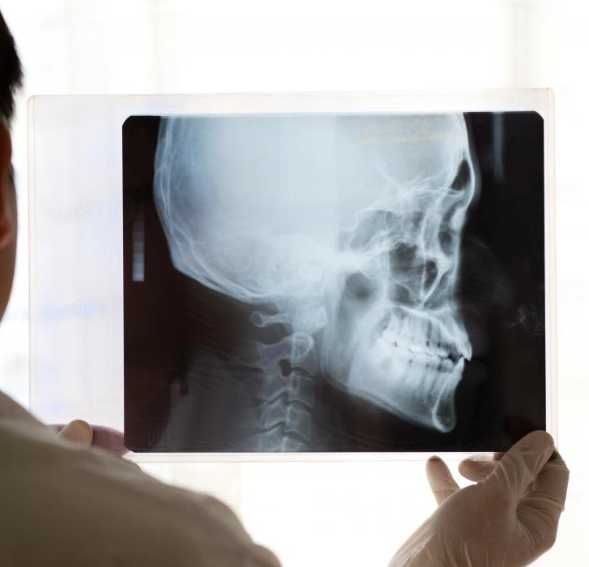

What does a Craniotomy Procedure Involve?
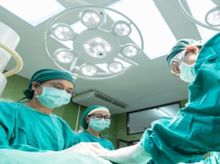
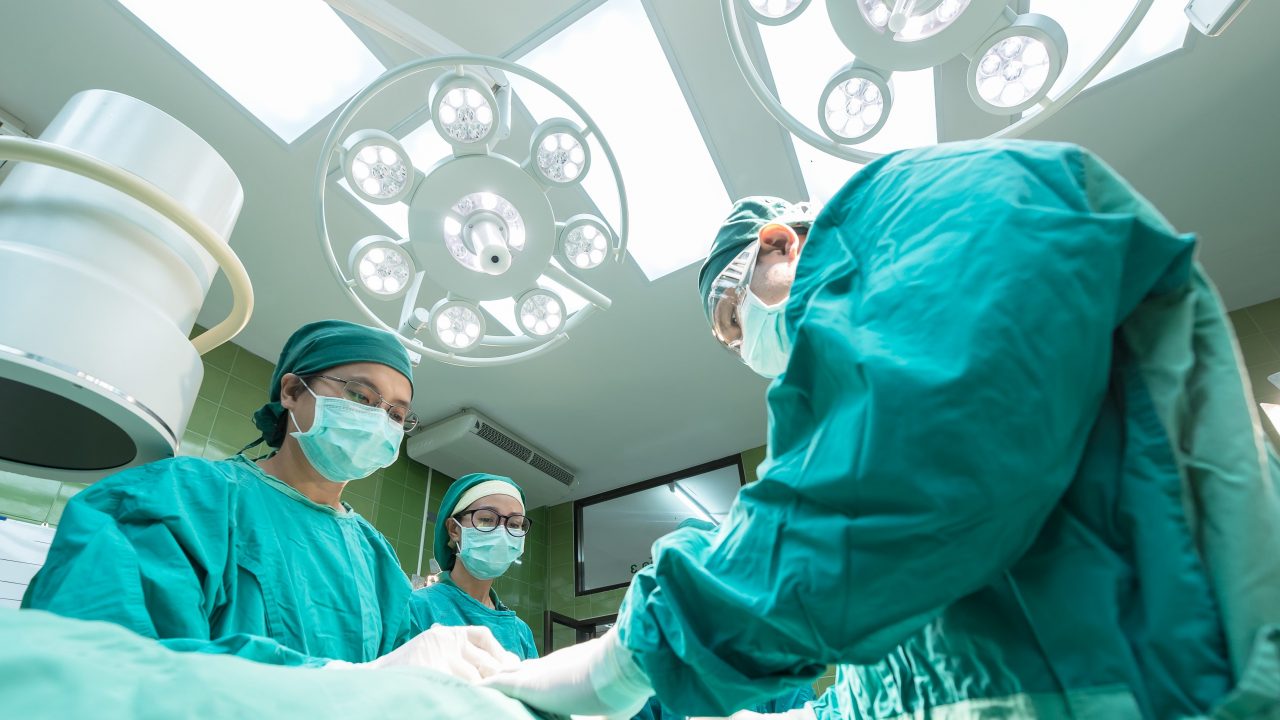
A Craniotomy is a big operation requiring numerous cautious measures. Your brain surgeon starts by carefully making an incision on your scalp. Then, depending on what the surgery is for, surgeons make a hole or a bone flap in your skull that can vary in size. They will be able to see and access your brain once they have removed this component.
The section of the skull will be replaced once the appropriate work has been completed, such as eliminating a tumor or repairing some blood arteries. To ensure that it remains in place, they affix this using specific plates, sutures, or wires. They carefully close the scalp incision after that.
After the procedure, you'll be closely monitored in a recovery room or maybe an intensive care unit, just like after any major surgery. Everyone's recovery is unique and depends on factors including general health, age, and the particular cause for the surgery. Therefore, don't fret if your recuperation time differs from someone else's; instead, concentrate on improving at your own rate.
How Long Should I Stay in Tunisia for a Craniotomy Procedure?
The length of stay in Tunisia for a Craniotomy procedure' depends on your individual medical condition, the success of the surgery, and recovery speed.cThe spectrum of the stay can span between 3 to 6 weeks or longer, though most patients are released from the hospital within a week following the surgery. While such a
What's the Recovery Time for Craniotomy Procedures in Tunisia?
The length of time it takes to recover from a craniotomy varies substantially depending on the patient and the particular surgery. From a few weeks to several months is possible.
Following surgery, patients frequently spend a few days in intensive care before transitioning to a standard hospital room. The length of time spent in the hospital is typically between three and seven days. It's crucial to remember that healing doesn't stop when you leave the hospital.
Recovery following discharge can be divided into phases. Patients should obtain lots of rest at first because they could feel tired and uncomfortable for the first two weeks. Following this, it may be beneficial to gradually increase daily activities like light housework and quick walks.
Patients usually begin to feel much better 4–8 weeks after surgery and may be able to resume their normal activities, however this is mostly dependent on how well they are recovering individually, the nature of their jobs, and the advise of their medical team.
After a craniotomy, the body will continue to repair for several months. In rare circumstances, a full recovery could take six months to a year or even longer.
Rehabilitation, which may involve physical, occupational, and speech therapy depending on the patient's needs, is frequently a crucial component of recovery. Following the surgeon's instructions is key for the best results throughout this recuperation phase.
What sort of Aftercare is Required for Craniotomy Procedures in Tunisia?
After-care following a craniotomy is an important part of the healing process and it involves several steps:
1. Wound Care: It's important to keep the surgery site dry and clean. You'll be given detailed instructions for taking a bath or a shower. As the wound heals, it's typical to feel uncomfortable and itchy.
2. Prescription drugs: You will probably be given drugs to control pain and inflammation, stop seizures, and perhaps prevent blood clots. It's crucial to take all drugs exactly as your doctor has prescribed.
3. Follow-up sessions: You will schedule follow-up sessions to assess your development and keep an eye out for any potential issues. These are crucial chances to talk about any worries or peculiar symptoms you might be exhibiting.
5. Activity and Rest: It's important to take a break from activity and then gradually resume it. Take your time recovering. Pushing yourself too hard too soon can result in setbacks because everyone heals at their own rate.
6. Diet: Keeping up a balanced, healthy diet will hasten your recuperation. Keep yourself hydrated and eat plenty of fruits, vegetables, lean proteins, and healthy grains, unless your healthcare provider instructs you otherwise.
7. Emotional Support: After brain surgery, it's common to experience anxiety or depression. For support, speak with family members or a mental health professional. Additionally helpful options include therapy or certain drugs.
What's the Success Rate of Craniotomy Procedures in Tunisia?
The success rates of craniotomies have greatly increased over time thanks to improvements in surgical methods and technology, which are done by highly competent neurosurgeons. The success rate might vary from 70% to 95%, according to studies, depending on the particular condition being treated, the location and extent of the problem, and the patient's general state of health. For benign brain tumors, the high success rate, for instance, signifies the ability of the surgeon to totally remove the tumor while maintaining neurological function.
Because every situation is different, the healthcare team for the patient is best suited to determine the likelihood of success because they can take all of these things into account. However, the overall pattern is encouraging. Craniotomies can considerably enhance the patient's quality of life, even in more severe conditions. The success rate of craniotomies has been improved by technological advancements like real-time imaging and computer-aided navigation, which enable neurosurgeons to conduct the procedure with greater precision.
Are there Alternatives to Craniotomy Procedures in Tunisia?
There are other treatment options available if a craniotomy is not the best fit for you. To give one example, stereotactic radiosurgery is a minimally invasive technique that uses precise imaging to target radiation beams precisely at a tumor or other abnormalities. This operation is less invasive than a craniotomy because it doesn't involve making an incision.
Endovascular neurosurgery, which is minimally invasive, is an additional choice. In this treatment, diseases affecting the brain or spinal cord are treated by inserting a tiny tube into the blood arteries. Arteriovenous malformations and aneurysms are frequently treated with it.
Every choice has a unique set of advantages and disadvantages, so it's critical that you and your doctor thoroughly consider your alternatives to determine which is the best one for you.
What Should You Expect Before and After the Procedure
You can anticipate a few pre-operative examinations, such as blood tests and brain imaging scans, prior to a craniotomy. Your surgeon will go into great detail about the operation, what it entails, and any possible hazards. Before the procedure, they'll give you instructions on what to eat, drink, and take in terms of medication. Do not hesitate to ask any questions you may have regarding your impending procedure.
After the procedure, you'll probably awaken in an intensive care or recovery unit under the close observation of a medical staff. Your vital signs will be monitored, any pain will be treated, and complications will be looked out for. You can typically transfer to a regular hospital room once you're stable.
Swelling and discomfort at the surgical site are normal during the healing period. Your medical team will provide you information on how to handle this at home, which may involve applying the recommended ointments and gently washing the area. They will also give you advice on how to resume your normal activities, such as when you should go back to work or start exercising, as well as suggest a follow-up visit for a check-up and re-evaluation. Just keep in mind that everyone has a different rehabilitation journey, so it's acceptable if yours is different from someone else's. Just concentrate on improving little by little.
What are the benefits of Craniotomy Procedure in Tunisia?
- Direct Access: A craniotomy gives medical professionals direct access to the brain, allowing them to diagnose and treat a variety of disorders such brain tumors or traumas.
- Improved Quality of Life: The surgery may be able to greatly improve a person's quality of life by reducing crippling symptoms like excruciating headaches, memory loss, and seizures.
- Only Viable Option: In certain circumstances or when less invasive procedures don't yield the desired effects, a craniotomy may be the only practical choice.
- Known and Controllable Risks: Although every major surgery involves some level of risk, a craniotomy is a common procedure with controllable risks.
- Technological developments: Modern surgical advances like intraoperative MRI and computer-assisted brain surgery have made craniotomies safer and more efficient, allowing surgeons to carry out the treatment with better accuracy.
Are there any risks or complications associated with the Craniotomy Procedure in Tunisia?
The risks and complications of Craniotomycan range from common surgical repercussions such as infection, bleeding or reaction to anaesthesia, to more profound complications, perhaps envisioning the trembling uncertainty of neurological damage, seizures, stroke or even memory loss.
This information has been accurately sourced and verified by a medical professional for its accuracy, however, we strongly recommend you to consult with your doctor before pursuing medical procedures overseas.


 MyMediTravel CN