 Sign in
  Add Your Clinic
  USD $
USD $



Endoscopy in Malaysia
Search and Compare the Best Clinics and Doctors at the Lowest Prices for Endoscopy in Malaysia
 Kuala Lumpur, Malaysia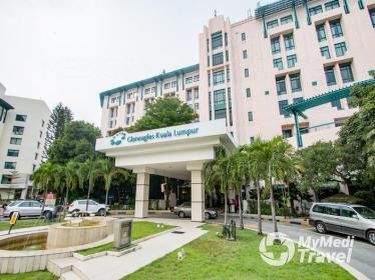


 Norlida bin Bakri, 11 February 2020
  Airport pickup
 Free Wifi
 Interpreter services
 Laundry


 Read More
Selangor, Malaysia
Read More
Selangor, Malaysia 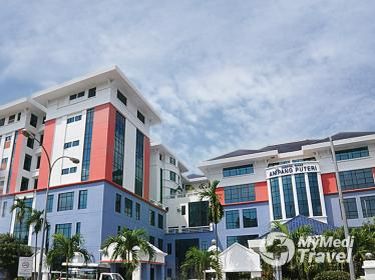


 Kuala Lumpur, Malaysia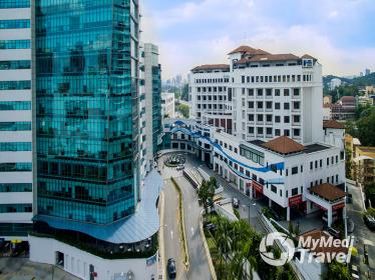


 Sophia J Maheson, 22 September 2020
  Cafe
Cafe
 Family accommodation
Free Wifi
Family accommodation
Free Wifi
 International newspapers


No Time?
Tell us what you're looking for and we'll reach out to the top clinics all at once
 Free
Free  Best Price
  Widest Selection
  Risk-Free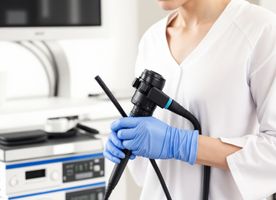
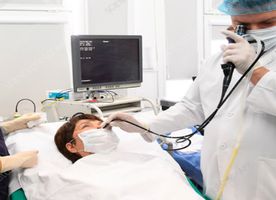
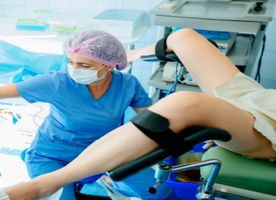
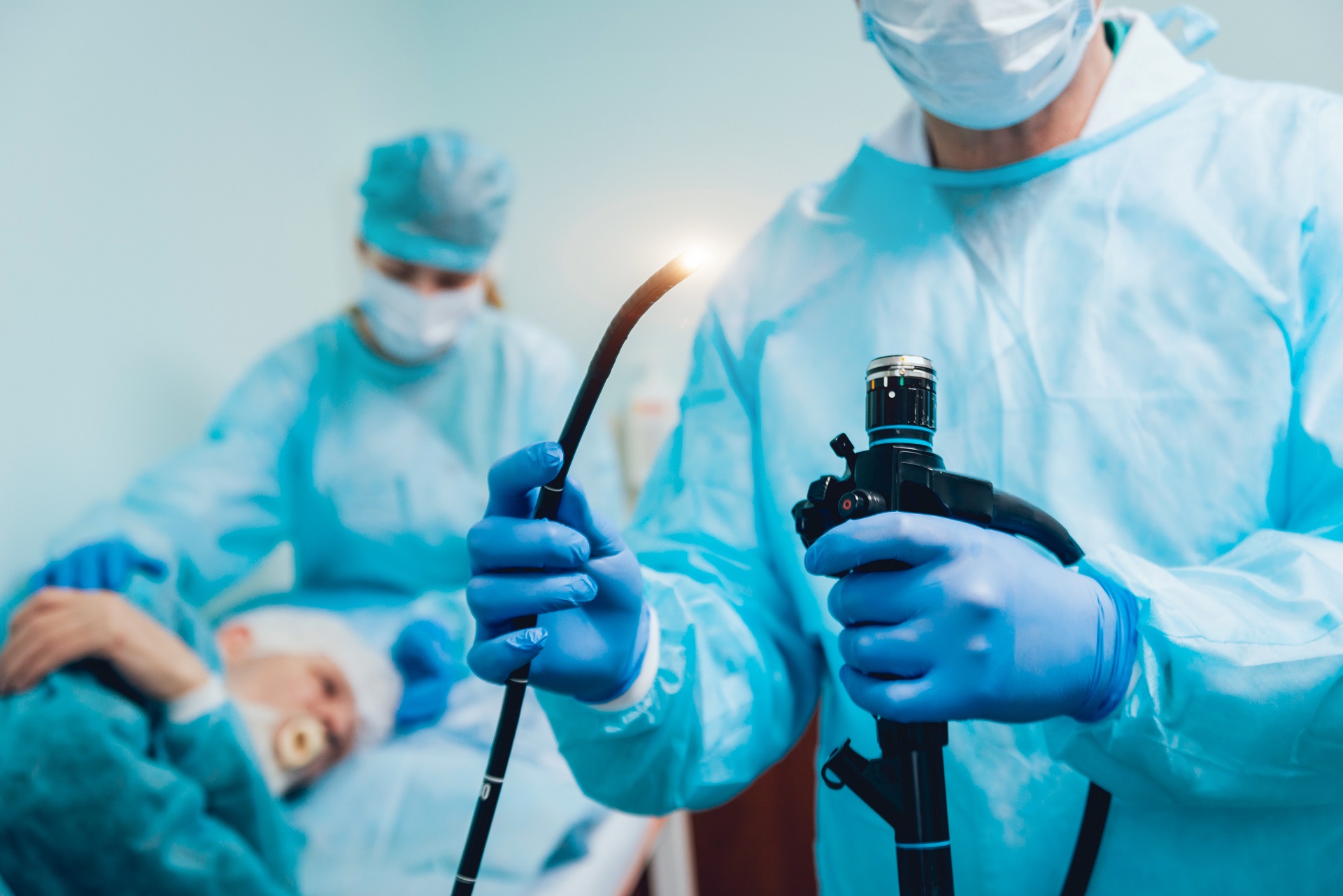


What does a Endoscopy Procedure Involve?
Before endoscopy, your doctor will do a physical examination and review your medical history. It is important to mention if you have any allergies and all current medications you are taking. You may need to stop taking certain medications, including anticoagulant and antiplatelet drugs. Your doctor will ask you to fast for around 12 hours. For some types of endoscopy, procedures to investigate the gut, you may need to take laxatives or enemas the night before to clear your system. The procedure is not painful, and some people only experience mild discomfort. Typically, the procedure is performed when the patient is unconscious. However, you may be given a local anesthetic to numb a certain area of your body. The anesthetic can be in the form of a spray or tablet to numb your throat. You also have the option to take a sedative to help you relax.
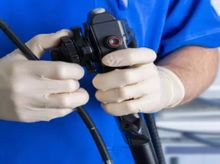
During the surgery, the endoscope will be inserted into your body. The exact place it is inserted depends on which part of your body is being examined. There are various types of endoscopy, and each type is designed to look at a certain part of your body. According to the American Cancer Society (ACS), there are eight common types of endoscopy, including:
- Bronchoscopy Used to look inside the lungs, the tube is put in through the nose, mouth, down the throats, into the trachea, and into the airways of the lungs.
- Colonoscopy To check the inside of the colon and rectum, your doctor will insert colonoscopies through the anus, into the rectum and colon.
- Cystoscopy Used to view your bladder and urethra. The tube is put in through the urethra.
- Laparoscopy A procedure to look inside the abdomen and pelvis. The tube is put in through small incisions in the abdominal wall.
- Laryngoscopy Allows doctors to see the larynx, including the vocal cords and the back of the throat. The tube is inserted through the mouth.
- Mediastinoscopy Used to look inside the mediastinum (the area behind the breastbone, between the lungs). The tube is inserted through a small incision above the breastbone.
- Thoracoscopy To look inside the chest cavity. The tube is inserted through a small incision on the lower end of the shoulder blade between the ribs.
- Upper Endoscopy Allows the doctor to look at the inner lining of the upper digestive tract. The tube is put in through the mouth.
Depending on what it is being used for, the procedure usually takes between 15 to 60 minutes to complete. There is also a new type of endoscopy known as the wireless capsule endoscopy. Capsule endoscopy involves swallowing a capsule with a tiny camera inside. It will transmit images of the inside of your digestive tract and will not give you any discomfort and the pill will leave your body naturally when you go to the toilet.
How Long Should I Stay in Malaysia for a Endoscopy Procedure?
An endoscopy is usually carried out as an outpatient procedure, which means you do not have to stay in the hospital overnight. You usually need to rest in the hospital for around an hour until the effects of the local anesthetic and sedative have worn off. However, you may need to stay in Malaysia for around 3 to 7 days or until your doctor says it is okay for you to go home and do long-distance travel. The result usually will take several days, and you will need to discuss the results with your doctor.
What's the Recovery Time for Endoscopy Procedures in Malaysia?
The recovery period depends on the type of procedure you underwent. You may feel slightly uncomfortable, and you should allow 1-2 days of rest before you feel well enough to get back to your normal routine. For upper endoscopy, you may experience a sore throat. After a cystoscopy, you may have blood in your urine for 24 hours. If it lasts longer than 24 hours, you will need to contact your doctor immediately. You may also feel some soreness, bloating, and gas, as well as cramping, which usually resolves quickly.
What sort of Aftercare is Required for Endoscopy Procedures in Malaysia?
After endoscopy, you need to take it easy at least for a couple of days. When you get to your hotel, it is advisable to relax and take a nap. You may eat if you do not feel sick. It is recommended to eat something light and avoid fried foods, fatty food, and a large quantity of food. The aftercare will vary depending on the type of endoscopy you underwent. Your doctor will usually suggest you eat soft food and consume warm liquids or throat medicines after upper endoscopy. You may need to rest and avoid strenuous activities for several days. You should avoid blood-thinning medications, such as aspirin and arthritis medication. Your doctor will tell you the number of days you need to avoid those medicines. If necessary, your doctor may prescribe pain medications, including Tylenol. If you have any swelling at the IV site, you can relieve the swelling with warm soaks. However, if the swelling persists, notify your doctor.
What's the Success Rate of Endoscopy Procedures in Malaysia?
Endoscopy has a high success rate as it is almost always successful and helps doctors investigate, confirm a diagnosis, and treat many patients. It is known to be a very safe procedure. However, you should be aware that it also comes with possible risks and complications. Rare complications that may happen include infection, bleeding, tearing of the gastrointestinal tract, and reaction to sedation. You need to call your doctor immediately if you experience any of these symptoms:
- Chest pains
- Shortness of breath
- Bloody or dark-colored stool
- Severe abdominal pain
- Vomiting, particularly when the vomit is bloody or looks like coffee grounds
- Fever
- Difficulty swallowing
Are there Alternatives to Endoscopy Procedures in Malaysia?
There are several alternatives to an endoscopy. For diagnostic procedures, you can opt for X-rays. For treatment procedures, your doctor may suggest you have open surgery. Open surgery will use a larger incision and increase your risk of complications and it also will need a longer hospital stay and a longer recovery period.
This information has been accurately sourced and verified by a medical professional for its accuracy, however, we strongly recommend you to consult with your doctor before pursuing medical procedures overseas.




 MyMediTravel CN