 Sign in
  Add Your Clinic
  USD $
USD $



Oncology in Greece
Search and Compare the Best Clinics and Doctors at the Lowest Prices for Oncology in Greece
Nick Mertziotis MD,Ph.D
 Athens, Greece


 Translation services
 Read More
 Gennima
Athens, Greece 


 Ζωή Σ, 03 August 2020


Panagiotis Kousoulis, Ear Nose and Throat Surgeon
Athens, Greece 


N Pelekoudas
Athens, Greece 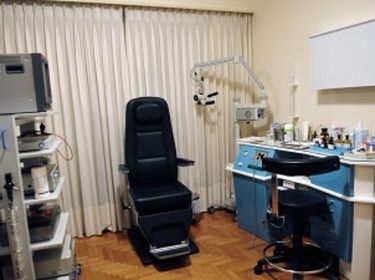


Christos Georgalas
Athens, Greece 


ENT Athens Center
Athens, Greece 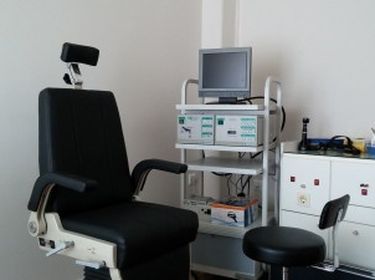


Sarafianos Private Hospital
Athens, Greece 


Dr. Andreas Bazeos / Ανδρέας Μπαζαίος MSc FRCOG
Athens, Greece 


Dr Vasileios Bagiokos Obstetrics and Gynaecology
Athens, Greece 


Dr. Christos Stratis - Patras I
Athens, Greece Dr. Christos Stratis - Glyfada
Athens, Greece Dr. Christos Stratis - Patras II
Athens, Greece Dr Efi Roboti
Athens, Greece 

Diolgeris Ob/Gyn Clinic
Athens, Greece 


VenusMed
Athens, Greece Dr Vasileios Bagiokos at Iaso Hospital
Athens, Greece Dr Vasileios Bagiokos at Rea Maternity Hospital
Athens, Greece 


AthensLapaRobotics Institute
Athens, Greece Dr. John Vakalopoulos - Urologist - Andrologist
Athens, Greece 


Our partner clinics in Greece are accredited by the following associations


 Free
Free  Best Price
  Widest Selection
  Risk-Free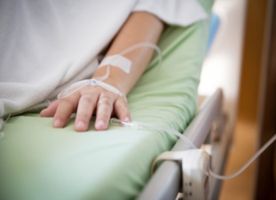



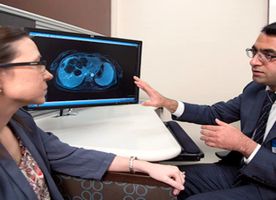





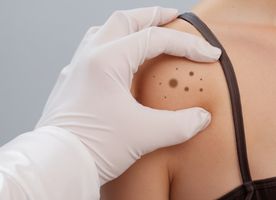

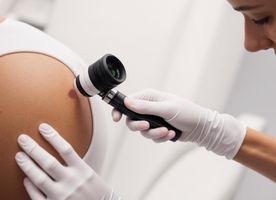
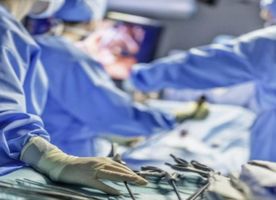
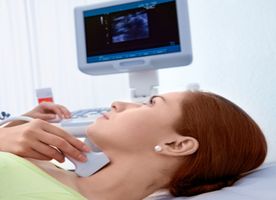
Oncology is the branch of medicine that focuses on the research, prevention, diagnosis, and treatment of cancer. A medical professional who specializes in diagnosing and treating people with cancer is called an oncologist.
An oncologist can design a treatment plan based on detailed pathology reports that shows the type of cancer the patient has, how much cancer has developed, how fast the cancer is likely to spread, and what parts of the patient's body are involved.
The field of oncology has three main areas, which include:
- Medical oncologists use chemotherapy, hormonal therapies, and other types of targeted treatments to treat cancer. Most people think of medical oncologist as their primary cancer doctor. Medical oncologists help monitor and maintain patients' well-being, as well as helping patients manage side effects. Often patients follow up with their medical oncologist once their treatment is complete.
- Surgical oncologists perform the surgical removal of the tumor and surrounding tissue. They will help patients prepare for and recover from any surgical procedure they undergo during their cancer treatment. If your primary doctor suspects that you have cancer, a surgical oncologist is likely one of the first doctors you see. Surgical oncologists can perform biopsies, which involves removing a small tissue sample to be checked for cancer cells.
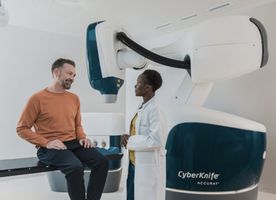
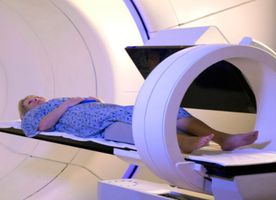
- Radiation oncologists treat cancer using radiation therapy. They use high-energy photon beams to target and destroy cancer cells. Approximately one-half of all cancer patients will undergo radiation treatment during their cancer care.
Because most cancers are treated with a combination of therapies, you could see two or all three different oncologists during the course of your treatment.
Besides the three main areas, there are also several other areas of oncology. These include:
- Pediatric oncologists diagnose and treat cancer in children. Some types of cancer appear more often in children and teenagers, such as leukemia, brain tumors, osteosarcoma, and Ewing’s sarcoma. Some pediatric oncologists focus on conducting research on childhood cancers, while others specialize in certain types of cancer.
- Gynecologic oncologists treat cancers that affect women, such as cancer of the ovary, cervix, uterus, vagina, and vulva. Additionally, they also treat complicated gynecological conditions that are not cancerous, such as fibroid tumors and endometriosis.
- Hematologist-oncologists diagnoses and treats blood cancers, such as lymphoma, leukemia, and myeloma. They may also specialize in the management of solid tumors.
Oncologists usually work with a variety of other medical professionals, including pathologists, diagnostic radiologists, oncology nurses, and oncology social workers. They may also work with doctors from other areas of medicine, such as neurologists, dermatologists, or urologists.
What does Oncology Involve?
There are many types of procedures to treat cancer. The types of procedures that you receive will depend on the type of cancer you have and how advanced it is. Some people who have cancer will only have one treatment. However, most people have a combination of treatments, such as surgery with radiation therapy and/or chemotherapy. Below are the types of procedures to treat cancer:
Chemotherapy
Chemotherapy is a type of treatment that uses drugs to kill cancer cells in the body and prevent them from growing. The drugs can prevent cell division, target the food source of the cancer cells’ (the hormones and enzymes the cells need to grow), and trigger apoptosis (a process in which cancer cells kill themselves).
- Chemotherapy drugs can be given in several different ways, including.
- Oral – taken in a pill or capsule form.
- Intravenously – through an infusion into a vein.
- Shots – injected with a needle.
- Topical – applying creams or gels into the skin. This type is used to treat certain types of skin cancer.
Chemotherapy drugs can also be given directly to cancer or directly to an area of the body, such as the abdomen or central nervous system.
Immunotherapy
Immunotherapy, or biologic therapy, boosts your body’s natural defenses to fight cancer. It uses substances made by your own body, or in a laboratory, to improve or restore your immune system function. It can stop cancer from spreading to other parts of the body, stop or slow the growth of cancer cells, and help your immune system work better at destroying cancer cells.
There are several types of immunotherapy to treat cancer, including immune checkpoint inhibitors, T-cell transfer therapy, monoclonal antibodies, treatment vaccines, and immune system modulators. Different types of immunotherapy may be given in different ways, such as intravenous (IV), oral, intravesical (directly into the bladder), or topical.
Targeted therapy
Targeted therapy uses drugs that are designed to specifically “target” cancer cells without affecting normal cells. It targets the cancer’s specific proteins, genes, or other tissue environment contributing to cancer survival and growth. These proteins and genes are found in cancer cells or in cells related to cancer growth.
The targeted drugs can block or turn off chemical signals that tell cancer cells when to divide and grow, stop making new blood vessels that feed cancer cells, change proteins within the cancer cells so the cells die, trigger the immune system to kill cancer cells, and carry toxins in the cancer cells to kill them.
- There are two types of targeted therapy:
- Small-molecule drugs, which is given through pills or capsules that you swallow
- Monoclonal antibodies, which are given through a needle in a blood vein.
Radiation Therapy
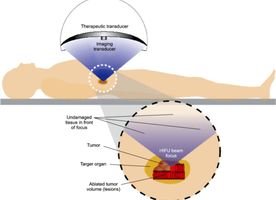
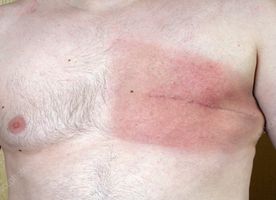
Radiation therapy uses intense energy beams to kill cancer cells and shrink tumors. It most often uses X-rays, but other types of energy, such as protons may also be used.
Radiation therapy can be done in two ways:
- External-beam radiation therapy – this type of radiation therapy delivers radiation from a machine outside the body. You will lie on a table, and the machine (called a linear accelerator) moves around you to deliver radiation from several different angles. It is a quick and painless procedure.
- Internal radiation therapy – also called brachytherapy, involves both temporary and permanent placement of radioactive sources in the body. During the placement of the radioactive sources, you will be given anesthesia.
Hormone therapy
Hormone therapy stops or slows the growth of cancer that uses hormones to grow. It works by blocking your body’s ability to produce hormones or interfere with how hormones behave in your body. It can reduce the chance that cancer will return by stopping or slowing its growth, as well as preventing or reducing symptoms in men with prostate cancer.
Hormone therapy is usually used to treat breast and prostate cancer. It can be taken in many ways, including orally, through an injection, and surgery.
Stem Cell Transplant
People whose blood-forming stem cells are damaged by the very high doses of radiation therapy or chemotherapy can undergo stem cell transplant to restore the cells. Blood-forming stem cells are vital since they grow into different types of blood cells that you need to be healthy. The stem cells will be given to you through an IV catheter. The process is very much like receiving a blood transfusion.
Surgical treatment
Surgical treatment for cancer is a procedure to remove cancer from your body. There are many types of surgeries to treat cancer, which differ based on the part of the body that requires surgery, the purpose of the surgery, the amount of tissue to be removed, and your preference. In general, the surgery can be open or minimally invasive.
- During open surgery, one large incision is made to remove the tumor, some healthy tissue, and some nearby lymph nodes.
- During minimally invasive surgery, a few tiny incisions are made instead of a large one. These incisions are made to insert a laparoscope (a long, thin tube with a camera on its end) and special surgical tools. The laparoscope allows your surgeon to see the inside of the body, and the surgical tools are used to remove the tumor and some healthy tissue.
How Long Should I Stay in Greece?
For chemotherapy, radiation therapy, immunotherapy, hormone therapy, and targeted therapy, the treatment schedule may vary. You may have treatment every day, week, or month. It may also be given in a cycle, which is a period of treatment followed by a period of rest to give your body a chance to recover. For surgical treatment, you may need to stay in the hospital for a few days, and you need to stay in Greece for at least 10 to 14 days. Your oncologist and/or medical tourism team will advise you on the length of stay in Greece.
What's the Recovery Time?
The type of procedure you undergo determines the recovery period. While you may be able to get back to your normal routine within 10 days after laparoscopic surgery, you may need to wait around 6 weeks to fully recover from open surgery. Your oncologist will give you a detailed recovery timeline.
What About Aftercare?
You will be given instructions on how to take care of yourself. Your surgeon or nurse will explain how to control your pain, how to take care of your wound, activities you can and cannot do, and how to spot signs of infections. You may also need to talk to a dietitian to help with eating problems caused by the treatment. You will need to attend follow-up checkups to monitor your condition.
What's the Success Rate?
Cancer survival has improved significantly due to constant advancement and improvements in the field of oncology, including improvement in treatments and screening (allowing for earlier diagnosis). Still, you need to be aware of the risks, such as infection, bleeding, nerve damage, fatigue, nausea, vomiting, and hair loss.
Are there Alternatives to Oncology?
There is no other alternative than to see an oncologist when it comes to cancer treatments. Some people may choose to undergo meditation, hypnosis, and acupuncture as well, usually to relieve the stress, anxiety, and pain that cancer can bring.
This information has been accurately sourced and verified by a medical professional for its accuracy, however, we strongly recommend you to consult with your doctor before pursuing medical procedures overseas.
 Athens, Greece
  Athens, Greece
  Athens, Greece
  Athens, Greece
  Athens, Greece
  Athens, Greece
  Athens, Greece
  Athens, Greece
  Athens, Greece
Athens, Greece
Athens, Greece 



 MyMediTravel CN