 Sign in
  Add Your Clinic
  USD $
USD $



Physical Therapy in Indonesia
Search and Compare the Best Clinics and Doctors at the Lowest Prices for Physical Therapy in Indonesia
 Bali, Indonesia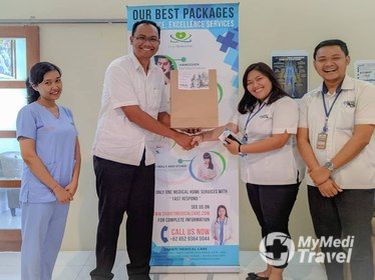


 paul valmorbida, 25 February 2020
  Free Wifi
  Health insurance coordination
  International newspapers
  Interpreter services
  Read More
Jakarta, Indonesia
Read More
Jakarta, Indonesia 


 Local transportation booking
  Phone in the room
Jakarta, Indonesia
Phone in the room
Jakarta, Indonesia 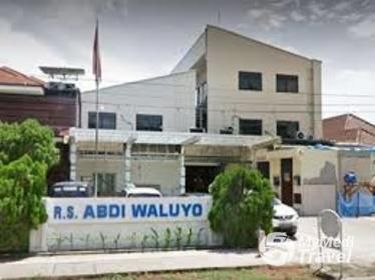


 Cafe
Cafe  Mobility accessible rooms
  Parking available
Jakarta, Indonesia
Parking available
Jakarta, Indonesia 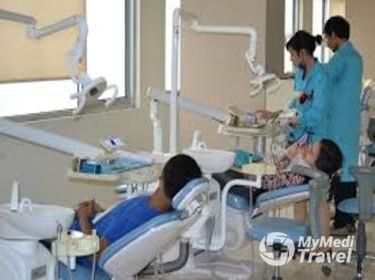


 Jakarta, Indonesia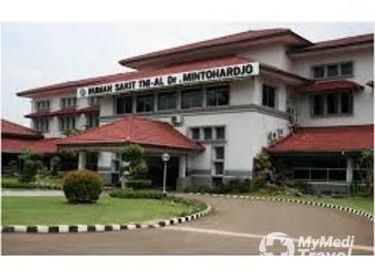

 Jakarta, Indonesia


 Jakarta, Indonesia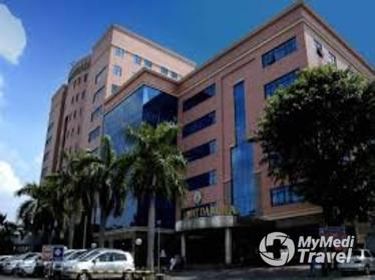

 Jakarta, Indonesia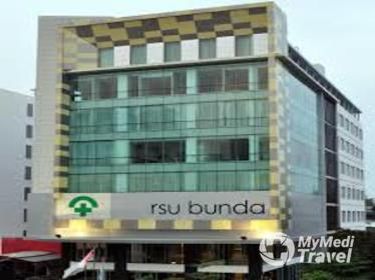

 Jakarta, Indonesia

 Jakarta, Indonesia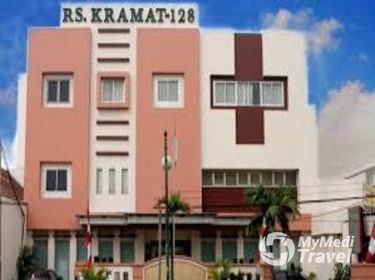


 Jakarta, Indonesia


 Jakarta, Indonesia


 Jakarta, Indonesia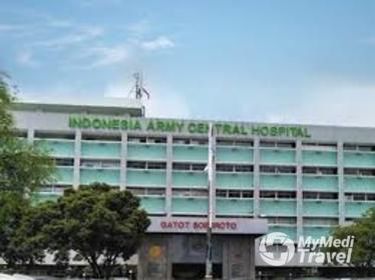

 Jakarta, Indonesia


 Jakarta, Indonesia

 Jakarta, Indonesia

 Jakarta, Indonesia

 Jakarta, Indonesia


 Jakarta, Indonesia


 Jakarta, Indonesia


Our partner clinics in are accredited by the following associations


 Free
Free  Best Price
  Widest Selection
  Risk-Free

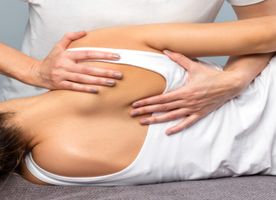
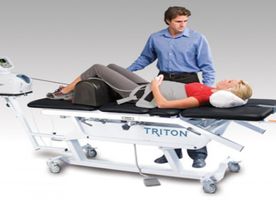


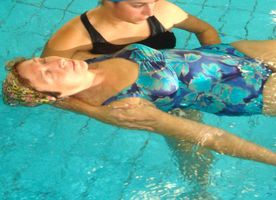
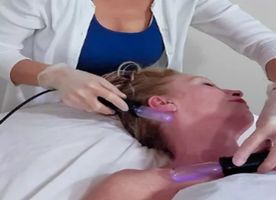
Physical therapy (PT), also known as physiotherapy, is a non-invasive type of treatment that helps individuals restore, maintain, and develop body movement and physical function. It is usually suggested to people who have had an illness, injury, or disability that makes it hard for them to do daily tasks. The main goal of physical therapy is to ease pain and help patients function, move, and live better. Medical professionals who provide physical therapy are called physical therapists, or physiotherapists. They are trained and licensed to diagnose physical abnormalities, maintain physical function, restore physical function and mobility, and promote proper function and physical activity.
Physical therapists are qualified to treat a wide range of medical conditions, depending on their specialty. Some of the most common physical therapy specialties are:
- Orthopedic physical therapy treats musculoskeletal injuries. They typically treat fractures, tendonitis, sprains, and bursitis.
- Geriatric physical therapy helps older people with conditions that affect their physical function and mobility, such as hip and joint replacement, Alzheimer’s disease, osteoporosis, and arthritis.
- Neurological physical therapy help people with neurological disorder or disease, such as brain injury, cerebral palsy, stroke, and multiple sclerosis.
- Cardiovascular and pulmonary rehabilitation help those affected by certain cardiopulmonary conditions and surgical procedures.
- Pediatric physical therapy assists in the diagnosis, treat and manage conditions affecting infants, children, and adolescents, such as developmental delays, spina bifida, and torticollis.
Physical therapy can be different for everyone, depending on the patient’s illness or injury and personal goal. Physical therapy treatment may involve:
- Targeted exercises and stretches guided by the physical therapist
- Ultrasound to promote blood flow and healing.
- Massage, heat or cold therapy, or warm water therapy to relieve muscle pain or spasms.
- Phonophoresis to decrease inflammation.
- Electrical stimulation to increase functional capabilities and reduce pain.
- Light therapy to treat certain medical conditions.
How Long Should I Stay in Indonesia?
Most of the time, you may be allowed to leave Indonesia right after your physical therapy session. However, since a physical therapy program usually requires more than one session, you should stay until all of your sessions are finished. Most people will need six to twelve sessions, between six and eight weeks.
What's the Expected Recovery Time?
It is generally recommended that you rest after a physical therapy session. Physical therapy helps you recover from an illness or an injury and there is usually no extra recovery time after you finish your physical therapy program.
What Aftercare is Required?
After a physical therapy session, you must drink plenty of water and take note of unusual pain. If your physical therapist gives you an exercise program to do at home, make sure to do it as directed. Your physical therapist will likely give you instructions to make recovery time quicker and avoid any further damage.
What's the Success Rate?
Like many other medical treatments, physical therapy continues to advance. With the broad knowledge and experience of physical therapists, they can use evidence-based approaches to help you improve mobility, balance, and strength, as well as reduce scar tissue formation, relieve pain and swelling, improve flexibility, and reduce the development of any secondary issue. Physical therapy is safe, but there are some risks you will need to be aware of. It can cause discomfort, pain, and in some very rare cases, do more harm than good.
Are there Alternatives?
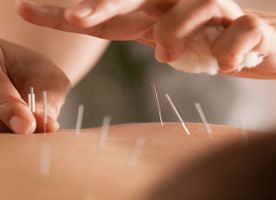
Alternatives to physical therapy depend on your specific condition. For some diseases and injury, you may have no other choice than seeing a physical therapist. In many cases, you may be able to see massage therapists, acupuncturists, or chiropractors to relieve pain.
This information has been accurately sourced and verified by a medical professional for its accuracy, however, we strongly recommend you to consult with your doctor before pursuing medical procedures overseas.



 MyMediTravel CN