 Sign in
  Add Your Clinic
  USD $
USD $



Pulmonary and Respiratory Medicine in Russian Federation
Search and Compare the Best Clinics and Doctors at the Lowest Prices for Pulmonary and Respiratory Medicine in Russian Federation
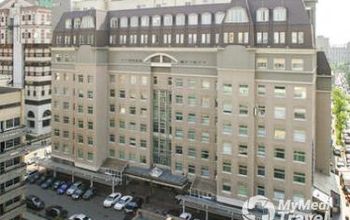
Premier Medica
 Moscow, Russian Federation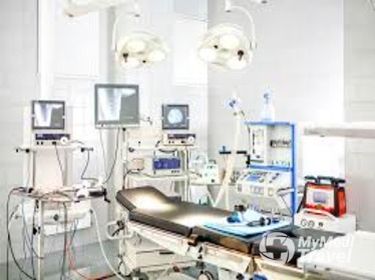


 Airport pickup
  Family accommodation
  Flight booking
  Free Wifi
  Read More
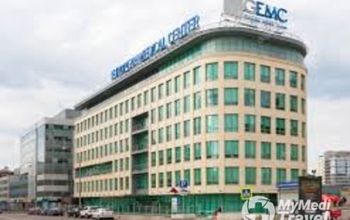
 European Medical Center (EMC)
Moscow, Russian Federation 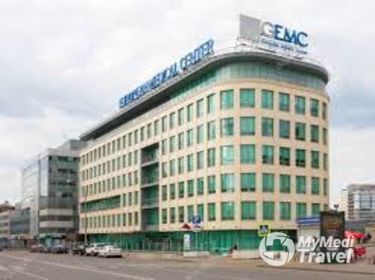


 Ксения Фомичева, 19 September 2020
  International newspapers
  Interpreter services
  Medical records transfer


No Time?
Tell us what you're looking for and we'll reach out to the top clinics all at once
 Free
Free  Best Price
  Widest Selection
  Risk-Free
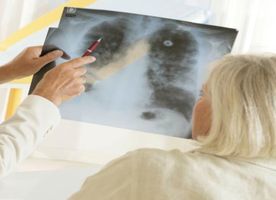
Pulmonary and respiratory medicine is a medical specialty that deals with diseases related to the respiratory system, including the nose, throat (pharynx), windpipe (trachea), larynx, the lungs, and the diaphragm. Physicians who are specially trained in pulmonary and respiratory medicine are called pulmonologists or respiratory physicians. They are qualified to diagnose, treat, and manage patients with serious or chronic breathing problems, such as:
- Chronic obstructive pulmonary disease (COPD)
- Asthma and other small airway conditions
- Cancer, such as cancer of the lung
- Tuberculosis (TB)
- Cystic fibrosis
- Pneumonia and empyema
- Bronchiectasis
- Allergic lung and bronchial disorders
- Interstitial lung disease
- Chronic cough
- Pulmonary vascular disorders, such as pulmonary embolism, pulmonary hemorrhage, and pulmonary hypertension
- Pediatric lung diseases
- Critical care and ventilatory failure
- Sleep disorders related to breathing, such as obstructive sleep apnea
- Pleural conditions, such as pneumothorax, pleural effusion, and malignancy.
Pulmonologists can perform a wide range of diagnostic and therapeutic procedures. Some of the most common are as follows:
- Spirometry
- Laboratory tests, such as blood tests
- Pulmonary function tests
- Scintigraphy
- Chest X-rays
- CT scans
- Sleep studies (polysomnography)
- Pleural (lung) ultrasound
- Thoracoscopy
- Bronchoscopy
- Pleuroscopy
- Biopsy, such as transthoracic needle aspiration biopsy
- Positron emission tomography.
A Pulmonologist does not usually perform major surgery. If you require major surgery, particularly on the lungs, they will likely refer you to a thoracic surgeon.
How Long Should I Stay in Russian Federation?
Your length of stay depends on the disease you have. In most cases, you do not need to stay in the hospital after your procedure, but you may want to stay in Russian Federation for at least 3 days. Your doctor will schedule an appointment when the results of your tests are ready. During this appointment, they will explain the results to you and discuss the best treatment plan for your specific case.
What's the Expected Recovery Time?
Recovery times can be different from one person to another. You may not be allowed to work, drive, operate machinery, sign legal documents, or drink alcohol for 24 hours. It is important that you rest as much as possible and take it easy during this period. Remember that this recovery period is for the procedure, not for the disease.
What Aftercare is Required?
You will be given specific aftercare instructions, which may include activity and diet restrictions. Your doctor may prescribe medicines. Make sure to take the medicines as directed. Some respiratory diseases require long-term care, which means that you need to see your doctor regularly. However, if you cannot travel to Russian Federation multiple times. You can always choose to have these regular checkups with your local doctor.
What's the Success Rate?
The success rate of pulmonary and respiratory medicine procedures, both the diagnostic and therapeutic procedures, are high. These procedures have also been proven to be safe. With advances in medical technology and a better understanding of the respiratory system, the success rate continues to increase, and the risks are becoming minimal. However, this does not mean that the procedures are free of risks. You need to be aware that, although very rare, complications such as lung collapse and bleeding can still occur.
Are there Alternatives?
In some cases, your general physician may be able to manage your disease so you do not need to see a pulmonologist. However, if they think that you need specialist care, they will still refer you to a pulmonologist.
This information has been accurately sourced and verified by a medical professional for its accuracy, however, we strongly recommend you to consult with your doctor before pursuing medical procedures overseas.
 Moscow, Russian Federation
  Moscow, Russian Federation
  Moscow, Russian Federation



 MyMediTravel CN