 Sign in
  Add Your Clinic
  USD $
USD $



Heart Surgery in Kuala Lumpur
Search and Compare the Best Clinics and Doctors at the Lowest Prices for Heart Surgery in Kuala Lumpur

 Kuala Lumpur, Malaysia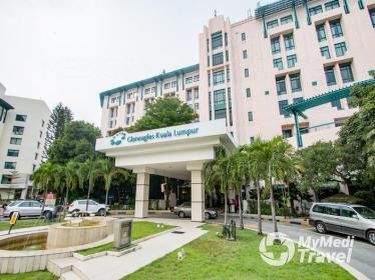


 Airport pickup
  Interpreter services
  Laundry


 Read More
Kuala Lumpur, Malaysia
Read More
Kuala Lumpur, Malaysia 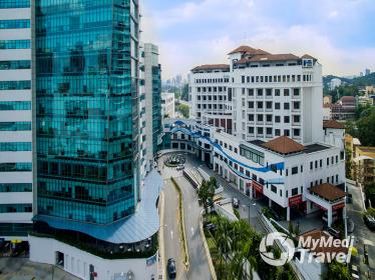


 Sophia J Maheson, 22 September 2020
  Cafe
Cafe
 Family accommodation
 Free Wifi
 International newspapers


No Time?
Tell us what you're looking for and we'll reach out to the top clinics all at once
 Free
Free  Best Price
  Widest Selection
  Risk-Free

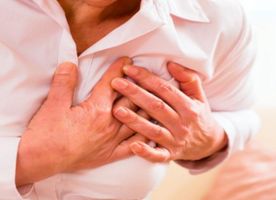
What are the types of Heart Surgery?
There are various types of heart surgery. The following are some of the most common types:
1. Coronary artery bypass graft (CABG)
This surgery is usually used to treat patients with severe coronary heart disease (CHD). It can improve the blood flow to your heart. In CABG, a healthy vein or artery from another area of your body is taken and connected to the blocked coronary artery to supply blood. The grafted vein or artery goes around (bypasses) the blocked part of the artery, making a new path for your blood to flow to the heart muscle. During one surgery, surgeons can bypass multiple blocked coronary arteries.
2. Percutaneous coronary intervention (PCI) or coronary angioplasty
PCI is another treatment for CHD. It involves the insertion of a thin, flexible tube with a balloon at its end through a blood vessel to the blocked or narrowed coronary artery. Once the tube is in place, your surgeon inflates the balloon to push the plaque against the artery wall or to widen the narrowed artery. This is done to restore blood flow. A stent may also be placed to help keep the artery open.
3. Heart valve repair or replacement
Heart valve repair or replacement is used to treat damaged or diseased valves, or when your heart valves do not work the way they should. Your surgeon can either repair the valve or replace it with man-made or biological valves. Biological valves are made from cow, pig, or human heart tissue and may also have man-made parts.
One way to repair the valve is by inserting a catheter with a small balloon at the tip through a large blood vessel. The catheter is then guided to the heart and the balloon is inflated and deflated to widen a narrow valve.
A heart transplant is mostly performed on patients with end-stage heart failure. This surgery involves:
- Removing a patient’s disease heart and replacing it with a healthy one from a deceased donor.
- Insertion of a pacemaker or an implantable cardioverter-defibrillator (ICD)
- Insertion of a pacemaker or ICD is used to treat arrhythmia when medication does not work.
A pacemaker is a tiny device placed under the skin of your chest or abdomen. The device is connected to your heart chambers through wires. It can control your heart rhythm using low-energy electrical pulses. An ICD is similar to a pacemaker. It is a small device placed under the skin of your abdomen or chest and is connected to your heart through wires. It is used to check your heartbeat for dangerous arrhythmias by sending an electric shock to your heart, which will restore your heart rhythm to normal.
5. Maze surgery
This is another treatment for arrhythmia. This surgery involves creating a pattern of heart tissue inside the upper chambers of the heart to transmit electrical signals along a controlled path to the lower heart chambers.
6. Aneurysm repair
Aneurysm repair involves replacing a weak section of the heart or artery with a graft or patch. This is done to repair a balloon-like bulge within the wall of the heart muscle or the artery.
7. Surgery to place Ventricular Assist Devices (VAD) or Total Artificial Hearts (TAH)
If you have heart failure that is not responding for treatment or if you are waiting for a heart transplant. Your doctor may recommend VAD insertion. A VAD is a mechanical pump that can support the function of your heart and your blood flow if you have a weak heart. If both of your ventricles do not work well due to end-stage heart failure, TAH may be used. A TAH is a device used to replace the ventricles (the two lower chambers of the heart).
8. Transmyocardial Laser Revascularization (TMR)
TMR is used to treat angina when other treatments do not work. It involves creating small channels through the muscle of the heart into the lower left chamber of the heart using lasers.
How Long Should I Stay in Kuala Lumpur?
A number of variables, including the patient's health, the complexity of the surgical procedure, and their rate of recovery, can greatly affect how long a patient stays for a Heart Surgery. You will likely have to stay in the hospital for several days after heart surgery. It is recommended that you stay in Kuala Lumpur for at least 10 to 14 days for initial recovery and follow-up checkups. This time frame also paves the way for the start of the physical recovery program and offers a chance for any needful alterations to medication.
What's the Recovery Time?
The recuperation duration, a vital part of the Heart Surgery, can alter based on factors like the patient's age, overall health, and the kind of operation they underwent. The time to heal can differ, contingent on the nature of your cardiac operation and the surgical method employed. Your medical practitioner will inform you when you can recommence your routine activities. Complete recovery may necessitate anywhere from 6 to 12 weeks or even longer. Typically, open-heart procedures necessitate an extended recuperation duration.
Throughout this healing phase, it's suggested for patients to slowly augment their physical exertion while simultaneously adhering to a cardiac-friendly diet. It's absolutely imperative for patients to show up for frequent follow-up check-ups to track their progress, tweak medications if required, and to immediately address any possible issues or complications.
What About Aftercare?
Post-Heart Surgery follow-ups are vital for a successful recovery process. Frequently, it means embarking on lifestyle modifications like adherence to a nutritious diet, continuous engagement in physical exercise, refraining from smoking, moderation in alcohol consumption, and mastering stress management. Routine check-ups are essential to verify proper patient healing and to make necessary medication alterations.
Physiotherapy may also be advantageous since it can enhance strength and boost cardiovascular health. Implementing calming practices such as yoga or meditation can aid in stress management while bolstering mental wellness. Moreover, understanding the symptoms of possible complications such as infections or cardiovascular complications is crucial for patients, and they should strive for immediate medical attention if these symptoms emerge.
Ongoing care is often needed, these include regular checkups with your doctor (you may do these checkups with your local doctor at home or your doctor in Kuala Lumpur), cardiac rehabilitation, and healthy lifestyle changes.
What's the Success Rate?
The effectiveness of a Heart Surgery within Kuala Lumpur commonly relies on multiple factors, such as the patient's health prior to the surgery, the nature and intricacy of the cardiac ailment, and the surgeon's skill level. It is crucial to understand that success is gauged not merely by the immediate results post-procedure, but also by long-term survival, enhancement of life quality, and alleviation of symptoms.
Heart surgeries frequently yield outstanding outcomes and are generally considered safe. Patients need to bear in mind that the procedure is typically part of a comprehensive treatment strategy. Ongoing medication, a balanced diet, consistent physical activity, and lifestyle changes are all fundamental to maintaining the long-term benefits and success of the surgery. Regular health screenings and discussions with your physician are also critical to monitor improvement and identify any potential issues early on.
Are there Alternatives to Heart Surgery?
Heart surgery is not always necessary to treat heart-related problems. In some cases, your doctor may recommend medications or nonsurgical procedures to address the problem. For instance, to prevent abnormal electrical signals from moving through your heart, your surgeon may use a procedure called catheter ablation. Each alternative comes with its own set of benefits and risks - it's crucial to discuss these with a healthcare professional.
This information has been accurately sourced and verified by a medical professional for its accuracy, however, we strongly recommend you to consult with your doctor before pursuing medical procedures overseas.



 MyMediTravel CN