 Sign in
  Add Your Clinic
  USD $
USD $



Heart Valve Replacement in Kuala Lumpur
Search and Compare the Best Clinics and Doctors at the Lowest Prices for Heart Valve Replacement in Kuala Lumpur
 Kuala Lumpur, Malaysia


 Airport pickup
  Interpreter services
  Laundry


 Read More
Kuala Lumpur, Malaysia
Read More
Kuala Lumpur, Malaysia 


 Sophia J Maheson, 22 September 2020
  Cafe
Cafe
 Family accommodation
 Free Wifi
 International newspapers


No Time?
Tell us what you're looking for and we'll reach out to the top clinics all at once
 Free
Free  Best Price
  Widest Selection
  Risk-Free
What does a Heart Valve Replacement Procedure Involve?
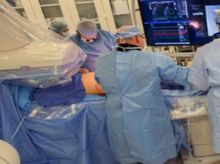
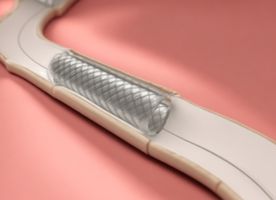
Heart Valve Replacement is a major operation that involves accessing the heart, either through a large incision in the chest or through smaller incisions made near the heart. This procedure involves removing the diseased or damaged heart valve and replacing it. The procedure is carried out under general anesthetic and can be done through minimally invasive catheter procedures or open-heart surgery. During the procedure, your surgeon makes an incision down the center of the chest to remove your heart valve and replace it with a biological tissue valve (made from human, pig, or cow heart tissue) or with a mechanical valve.
How Long Should I Stay in Kuala Lumpur for a Heart Valve Replacement Procedure?
The length of stay after Heart Valve Replacement can vary based on your overall health and the specific procedure performed. After the procedure, you will need to stay in the intensive care unit (ICU) for a couple of days and then you are moved to the progressive care unit for several days. Stay in Kuala Lumpur for at least 14 more days after you are discharged from the hospital because your surgeon will schedule follow-up checkups to monitor your condition closely and remove surgical stitches or staples.
After release, it's crucial that patients stay near their healthcare facility for several weeks. Your medical professional needs to keep an eye on your recovery process, provide care after surgery, and detect as well as handle any possible issues as soon as possible. In this time frame, you may need multiple check-ups, physical therapy, or heart rehabilitation sessions.
What's the Recovery Time for Heart Valve Replacement Procedures in Kuala Lumpur?
The total recovery period can take about three months or longer and you will need to take things easy at first and gradually increase your activity level. You should be able to drive within six weeks, have sex after four to six weeks, and return to work in six to eight weeks if your job involves light work. Avoid any intense exercises, such as heavy lifting, for three months.
What sort of Aftercare is Required for Heart Valve Replacement Procedures in Kuala Lumpur?
Post-Heart Valve Replacement recuperative measures are designed to foster the healing process, avert potential complications, and enhance overall recovery. Regular consultations with your health care provider during the initial months post-procedure are included in the plan. It’s vital to keep these appointments to monitor the progress of your recovery, modify medication dosages or categories, and facilitate early detection and management of any arising issues.
In addition, making changes to your lifestyle is a key component of the post-treatment plan. It includes maintaining a balanced diet rich in fruits, vegetables, and lean proteins, while curtailing the intake of saturated fats and refined sugars. Consistent physical exercise as suggested by your health care provider, can assist in regaining your strength and expediting the healing process. Maintaining vigilance for any changes in your health and quickly reporting any symptoms is of great importance. The management of mental health and stress is equally significant, and you may be advised to practice methods such as yoga, meditation, or relaxation exercises.
In addition to these universal actions, post-treatment instructions may be customized according to the type of heart valve used for replacement. For example, if you have received a mechanical heart valve, you might be prescribed anticoagulant drugs to deter the formation of clots on the new valve. Regular checks to ensure the medication dosage is suitable would be necessary. Conversely, a biological valve might not necessitate long-term medication, but they do have a finite lifespan and might eventually need replacement.
Moreover, you might be advised cardiac rehabilitation, a medically supervised program to enhance heart health, as part of the post-treatment plan. The program might include services such as physical exercise training, education on a heart-healthy lifestyle and counselling to alleviate stress and facilitate resumption of normal activities.
What's the Success Rate of Heart Valve Replacement Procedures in Kuala Lumpur?
The success rate of Heart Valve Replacement is typically measured in terms of relief from symptoms, improvement in heart function, and survival rates. The rates are generally high, offering patients the opportunity for a significantly improved quality of life post-procedure. Heart valve replacement is generally safe, efficient, and highly successful.
Here are the survival rates as per type of valve:
- Aortic Valve replacement surgery - 5 year rate of 94%, 10 year rate of 84%
- Mitral Valve replacement surgery - 5 year rate of 64%, 10 year rate of 37%
- Pulmonary Valve replacement surgery - 5 year rate of 96%, 10 year rate of 93%
- Tricuspid Valve replacement surgery - 5 year rate of 79%, 10 year rate of 49%
Are there Alternatives to Heart Valve Replacement Procedures in Kuala Lumpur?
The condition of heart valve disease can be quite critical. However, Heart Valve Replacement isn't the only way out. Multiple other viable options are available, the choice of which depends upon the graveness of the situation, the overall health of the patient, and their personal inclination.
A significant alternative, balloon valvuloplasty, offers a less invasive way of treating narrowed heart valves, primarily the mitral valve. In this process, a small catheter with a balloon tip is inserted into the slimmed down valve. Upon inflating the balloon, the valve starts to widen, enhancing blood flow. This method is commonly considered for patients who aren't appropriate candidates for a surgical procedure due to their age or other health issues.
A separate option is Transcatheter aortic valve replacement (TAVR), which is used predominantly for the treatment of aortic stenosis. This method involves substituting the aortic valve with a bioprosthetic valve without eliminating the old, impaired valve. The procedure is often carried out through minor incisions, proving it to be less invasive than the conventional open-heart surgery. However, it is usually advised for patients who are at a moderate or high risk of complications from surgical aortic valve replacement.
In some cases, your surgeon may suggest you undergo heart valve repair. Your surgeon will repair your heart valve to bring back its function by patching holes, reconnecting valve flaps, replacing cords, tightening the ring around the valve, or separating valve flaps.
This information has been accurately sourced and verified by a medical professional for its accuracy, however, we strongly recommend you to consult with your doctor before pursuing medical procedures overseas.



 MyMediTravel CN