 Sign in
  Add Your Clinic
  USD $
USD $



Immunology in Morocco
Search and Compare the Best Clinics and Doctors at the Lowest Prices for Immunology in Morocco
Hopital Prive Marrakech
 Marrakech, Morocco


 Montse Alconchel Ruiz, 25 March 2020
  Airport pickup
 Flight booking
 Free Wifi
 Health insurance coordination
 Read More


No Time?
Tell us what you're looking for and we'll reach out to the top clinics all at once
 Free
Free  Best Price
  Widest Selection
  Risk-Free
Immunology is the branch of medical and biological sciences that focuses on the immune system, which is the system involved in defending the body from infection. Medical doctors who specialize in diagnosing, treating, and managing health conditions that affect the immune system are called immunologists. Some of the immune-related conditions that immunologists may help diagnose and treat are as follows:
- Allergic conjunctivitis
- Allergic rhinitis
- Anaphylaxis
- Autoimmune disorders
- Autoinflammatory syndromes
- Asthma
- Atopic dermatitis
- Chronic fatigue syndrome
- CREST syndrome
- Eosinophilic esophagitis
- Primary immunodeficiency diseases
- Rheumatoid arthritis
- Sarcoidosis
- Scleroderma
- Sjogren's syndrome
- Systemic lupus erythematosus (SLE)
- Urticaria.
In some cases, immunologists also provide support for the diagnosis and management of human immunodeficiency virus (HIV), other systemic/severe infections, tuberculosis, and multiple sclerosis.
A wide range of tests and procedures are performed by immunologists to identify and treat immune conditions, including:
- Patch tests to identify specific substances that cause allergic skin reactions.
- Antibody tests to measure the levels of antibodies present in the blood. This test is performed to diagnose allergies and immunodeficiency conditions.
- Skin prick test to detect specific immediate allergies to food and environmental triggers.
- T cell tests to evaluate a person’s T cell activity, which is specialized immune cells in the blood.
Treatment for immune diseases usually involves the administration of medications, such as steroids or other immunosuppressant medications, and general surgery or transplantation, such as stem cell transplantation.
How Long Should I Stay in Morocco?
Tests and treatments conducted by immunologists are largely outpatient-based, meaning you do not need to stay in the hospital after your appointment. However, you may need to stay in Morocco for a few days for follow-up checkups, usually to discuss the results of the test or to see how you are responding to treatments.
What's the Expected Recovery Time?
In most cases, no recovery time is needed after the appointment with your immunologist. However, depending on your condition and the symptoms you are experiencing, your immunologist may advise you to rest and take some time off work until you do not experience any symptoms that interfere with your ability to perform your daily activities.
What Aftercare is Required?
Since treatments and management of immune diseases typically involve medications, it is important that you take the medications as prescribed by your immunologist. You will likely be given a set of instructions, which may include diet and activity restrictions. It is important that you follow all of the instructions to prevent complications. You may also need to attend regular checkups, but you can choose to have them with your local doctor instead of your immunologist in Morocco if you prefer. In some cases, supportive treatments, such as physiotherapy, occupational therapy, and podiatry may be recommended.
What's the Success Rate?
Immunology research is constantly being conducted to increase the understanding of how the immune systems work and to develop better ways of diagnosing and treating immunological conditions. While there is currently no cure for many immune diseases, such as allergy and autoimmune disease, treatments are proven to be highly successful and safe to control the disease and manage the symptoms.
Are there Alternatives?
In most cases, you need to see an immunologist for immune-disease. However, depending on the type of disease you have, you may be able to see other specialists or your immunologist may refer you to the relevant specialist. For example, if you have rheumatoid arthritis, you may be referred to a rheumatologist.
This information has been accurately sourced and verified by a medical professional for its accuracy, however, we strongly recommend you to consult with your doctor before pursuing medical procedures overseas.

 Marrakech, Morocco
  Marrakech, Morocco
 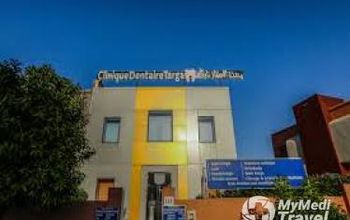 Marrakech, Morocco
  Casablanca, Morocco
  Tanger, Morocco
  Casablanca, Morocco
  Casablanca, Morocco
 Casablanca, Morocco
  Casablanca, Morocco
 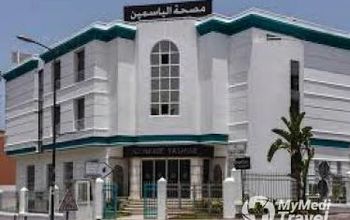 Casablanca, Morocco


 MyMediTravel CN