 Sign in
  Add Your Clinic
  USD $
USD $



Infectious Diseases in Bali
Search and Compare the Best Clinics and Doctors at the Lowest Prices for Infectious Diseases in Bali
Kasih Ibu Hospital
 Bali, Indonesia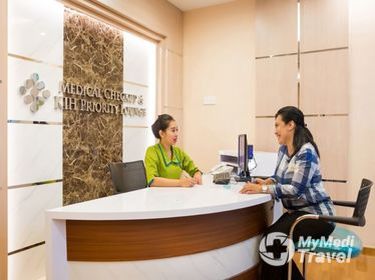


 Riza Rinanto, 16 September 2020
  Cafe
Cafe  Document legalisation
  Free Wifi
  Health insurance coordination
  Read More
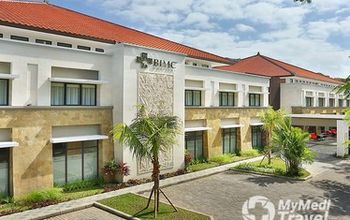
 BIMC Siloam Nusa Dua
Bali, Indonesia 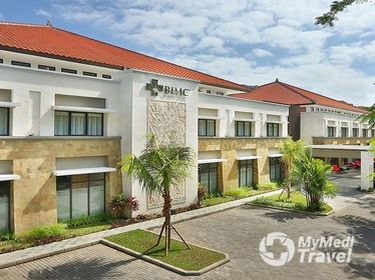


 Laundry
  Local tourism options


No Time?
Tell us what you're looking for and we'll reach out to the top clinics all at once
 Free
Free  Best Price
  Widest Selection
  Risk-Free
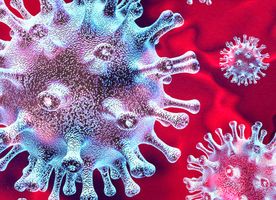
Infectious diseases are disorders caused by pathogenic microorganisms, such as viruses, bacteria, fungi, or parasites. They can spread, directly or indirectly, from one person to another. Some infectious diseases are transmitted by insects or other animals. Infectious diseases can also spread through the consumption of contaminated water or food or exposure to organisms in the environment.
The branch of medicine that focuses on infectious diseases is called infectiology, which is a subspecialty of internal medicine. Doctors who specialize in the diagnosis and treatment of infectious diseases are called infectious diseases (ID) specialists. While most common infections can be treated by general internists and other specialists, ID specialists are frequently called upon to help diagnose and assist in treating or managing unusual, difficult, or complicated infections. Since many infectious diseases are related to other medical conditions, ID specialists work with doctors in many specialty areas, such as doctors trained in dermatology, immunology, or cardiovascular medicine.
Some of the most common infectious diseases that ID specialists diagnose, treat, and manage include:
- Bone and joint infections
- Heart valve infections
- Blastomycosis
- Complicated urinary tract infections
- Lyme disease
- HIV/AIDS
- Viral hepatitis
- Rubella, Measles, and Mumps
- Malaria
- Cholera
- Dengue
- Ebola
- Sepsis
- Tuberculosis
- Rheumatic fever
- Travel medicine
- Tick-borne infections
- Meningitis
- Pneumonia
- Methicillin-resistant Staphylococcus aureus (MRSA)
- Post-operative infections.
There are numerous procedures that ID specialists and other specialists use to diagnose, prevent, and treat infectious diseases. These include, but are not limited to:
- Laboratory tests, including blood tests, urine tests, stool samples, throat swabs, and a spinal tap (lumbar puncture)
- Imaging scans, such as CT scans, MRIs, and X-rays.
- Biopsies.
- Antibiotic therapies
- Immunizations
- Infection control
- Fecal microbiota (stool) transplant
- Antimicrobial therapy (OPAT)
- Antifungal therapy
- Anti-parasitic therapy.
How Long Should I Stay in Bali?
Your length of stay depends on the severity of your infection and which organ is affected by the infection. Some types of infectious diseases may require hospitalization, while others do not. It is generally advisable that you plan to stay in Bali for at least 7 to 14 days. Even if you do not need hospitalization, some types of treatment may require several appointments. In addition, you may also need to attend follow-up checkups.
What's the Expected Recovery Time?
Recovery time after infectious disease can vary, depending on the type and severity of the infection. For some infectious diseases, the healing process can take time and it can take a few months until you can resume your normal activities. Some other types of infectious diseases, however, only need around 2 weeks or even less of recovery time. Your doctor will tell you when you can return to work and resume your normal activities.
What Aftercare is Required?
Your doctor will give you detailed aftercare instruction. It is important to follow every instruction closely. They may also tell you prevention measures to decrease the risk of infection from occurring in the future. These include washing your hands frequently, to get vaccinated, practice safe sex, travel wisely, stay home when ill, prepare food safely, and avoid sharing personal items.
What's the Success Rate?
Active research in infectious diseases has resulted in new discoveries that help doctors to refine the treatment and management approach to infectious diseases. The success rate of infectious disease treatment has increased significantly in the past several decades. Some types of treatments even have 90% success rates.
Are there Alternatives?
There are a number of products that have been studied for preventing or shortening the duration of some infections, such as vitamin C, vitamin D, garlic, ginseng, and zinc. However, it is best that you see your general physician, a specialist, or an ID specialist to treat your infection instead of taking alternative medicine.
This information has been accurately sourced and verified by a medical professional for its accuracy, however, we strongly recommend you to consult with your doctor before pursuing medical procedures overseas.
 Bali, Indonesia
  Bali, Indonesia
  Bali, Indonesia
 Bali, Indonesia
  Bali, Indonesia
  Bali, Indonesia
  Bali, Indonesia
  Bali, Indonesia
  Bali, Indonesia

 Bali, Indonesia




 MyMediTravel CN