 Sign in
  Add Your Clinic
  USD $
USD $



Neurosurgery in Heidelberg
Search and Compare the Best Clinics and Doctors at the Lowest Prices for Neurosurgery in Heidelberg
Heidelberg University Hospital
 Heidelberg, Germany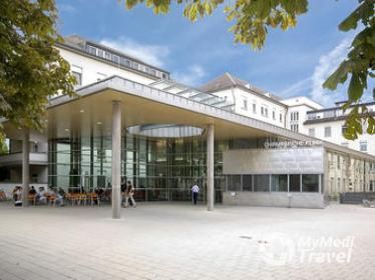


 عبدالعزيز القضيعي, 01 September 2020
  Family accommodation
 Free Wifi
 International newspapers
 Interpreter services
 Read More


No Time?
Tell us what you're looking for and we'll reach out to the top clinics all at once
 Free
Free  Best Price
  Widest Selection
  Risk-Free
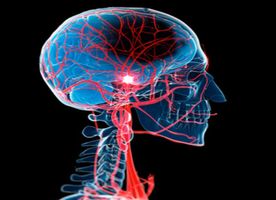
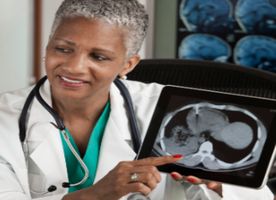
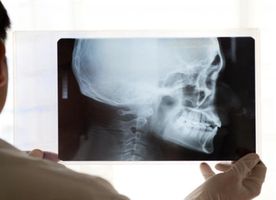
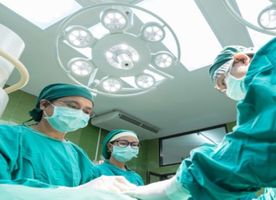
Neurosurgery is a medical specialty that focuses on the prevention, diagnosis, treatment, and rehabilitation of disorders/diseases or injury that affects any portion of the nervous system, including the brain, spinal cord, spinal column, and peripheral nerves. This specialty includes both adult and pediatric patients. A physician who specializes in neurosurgery is called a neurosurgeon. Although they are mostly known as ‘brain surgeons,’ they are also medically trained to help patients who suffer from neck and back pain, as well as a wide range of other illnesses. Some of the most common conditions that neurosurgeons can treat include:
- Meningitis
- Traumatic head injury
- Cervical spine disorders
- Sciatica
- Herniated disc
- Stroke
- Chronic pain
- Carotid artery disease
- Pituitary tumors
- Brain tumors
- Hydrocephalus
- Trigeminal neuralgia
- Spine tumors
- Vertebral fractures
- Sciatica
- Lumbar spinal stenosis.
A neurosurgeon can provide diagnostic procedures, as well as both surgical and non-surgical treatment. These include, but are not limited to:
- Computerized Tomography (CT) scan
- Magnetic Resonance Imaging (MRI)
- Lumbar Puncture
- Electroencephalography (EEG)
- Ultrasonography (USG)
- Biopsy
- Aneurysm repair
- Tumor removal
- Trauma repair
- Clot removal
- Deep brain stimulation (DBS)
- Brain stereotactic radiosurgery
- Epilepsy surgery
- Fetal surgery
- Endovascular treatment
- Endoscopic procedures
- Hyperhidrosis surgery, such as endoscopic thoracic sympathectomy
- Seizure surgery
- Spinal fusion
- Trigeminal neuralgia surgery.
How Long Should I Stay in Heidelberg?
Your length of stay depends on the type of procedure you underwent. For diagnostic tests, you may need to stay in Heidelberg for 3 to 7 days to wait until the results are ready and to discuss the results with your neurosurgeon. In some cases, you may be allowed to leave for home immediately. For medical treatments, you usually need to stay in the hospital for two to five days, and stay in Heidelberg for 7 to 14 more days, sometimes even longer. During your stay, you will have to attend regular checkups where your neurosurgeon monitors your condition. If everything is fine, you will be allowed to travel home.
What's the Expected Recovery Time?
Since there is a wide range of procedures, recovery times vary. In general, it can take around 4 to 12 weeks to recover from surgery. During this period avoid strenuous activities and take time off of work. Your doctor will gradually allow you to increase your activity levels, based on their examination at the follow-up visits.
What Aftercare is Required?
After neurosurgery treatments, you will have to change your lifestyle. A healthy diet, such as keeping your salt levels down and avoiding sugary food, is crucial to prevent complications. It is also important that you exercise regularly and get enough sleep. For some types of surgery, you will need rehabilitation therapy, such as physical therapy, occupational therapy, and speech, language therapy.
What's the Success Rate?
Given the advances in technology, understanding of the nervous system, and surgical understanding, the success rate of neurosurgery continues to improve and is now higher than before. For example, the success rate of endoscopic thoracic sympathectomy (ETS) is around 95%, while the likelihood of being seizure-free five years after epilepsy surgery is around 95%. Still, every procedure come with potential risks and side effects, such as infection, excessive swelling of the brain, spinal fluid leakage, and seizures.
Are there Alternatives?
If you have any conditions related to your nervous system, you can go to a neurologist as the alternative. However, since neurologists do not perform surgery, they will refer you to a neurosurgeon should surgery be required as part of your treatment.
This information has been accurately sourced and verified by a medical professional for its accuracy, however, we strongly recommend you to consult with your doctor before pursuing medical procedures overseas.

 Heidelberg, Germany
  Munich, Germany
 Munich, Germany

 Hildesheim, Germany

 Hamburg, Germany
  Hamburg, Germany
  Berlin, Germany
  Schwerin, Germany
  Berlin, Germany
  Berlin, Germany




 MyMediTravel CN