 Sign in
  Add Your Clinic
  USD $
USD $



Veneers in South Korea
Search and Compare the Best Clinics and Doctors at the Lowest Prices for Veneers in South Korea
 Seoul, South Korea


 Anh J., 29 December 2019
 Read More
Bundang, South Korea
Read More
Bundang, South Korea 


 Cafe
Cafe  Free Wifi
  Mobility accessible rooms
  Parking available
Seoul, South Korea
Parking available
Seoul, South Korea 


 Interpreter services
  Local tourism options
Seoul, South Korea
Local tourism options
Seoul, South Korea 


 Goyang, South Korea


 Hotel booking
  International newspapers
Seoul, South Korea
International newspapers
Seoul, South Korea 


 Airport pickup
  Family accommodation
Ilsan, South Korea
Family accommodation
Ilsan, South Korea 


 Seoul, South Korea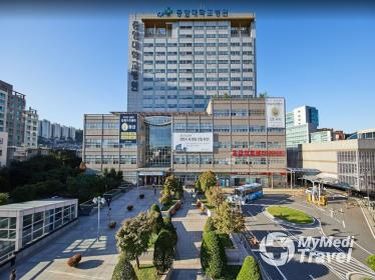


 Daejeon, South Korea


 Seoul, South Korea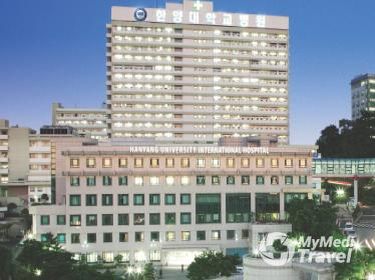


 Health insurance coordination
Seoul, South Korea
Health insurance coordination
Seoul, South Korea 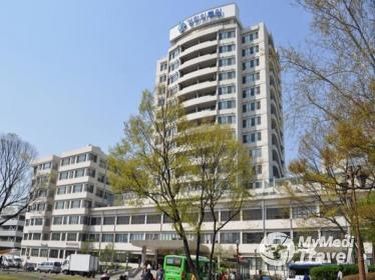


 Seoul, South Korea

 Seoul, South Korea


Our partner clinics in are accredited by the following associations


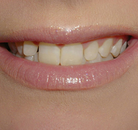
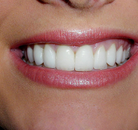
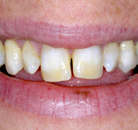
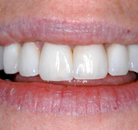
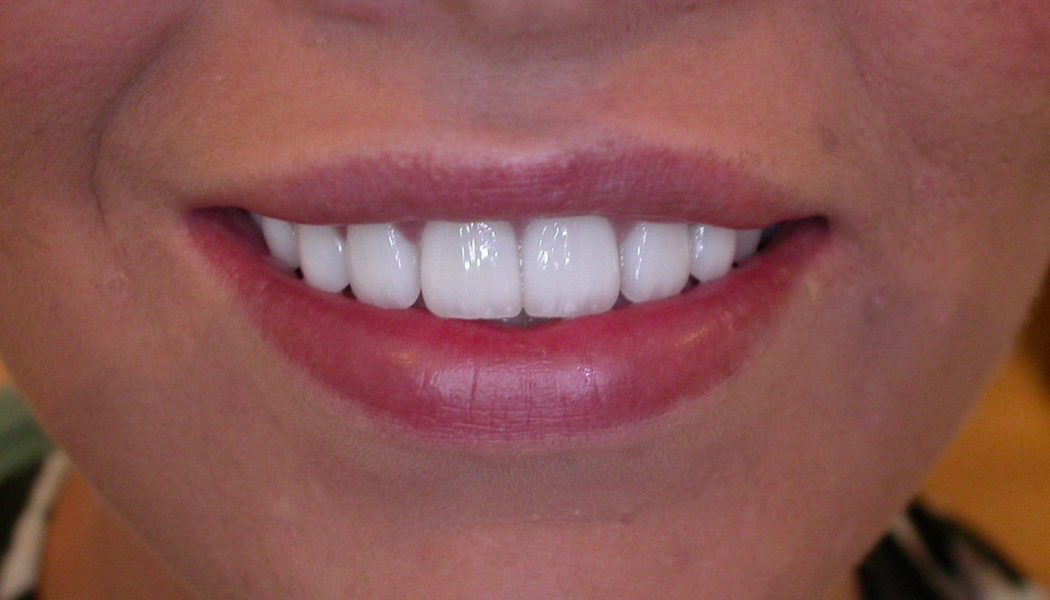
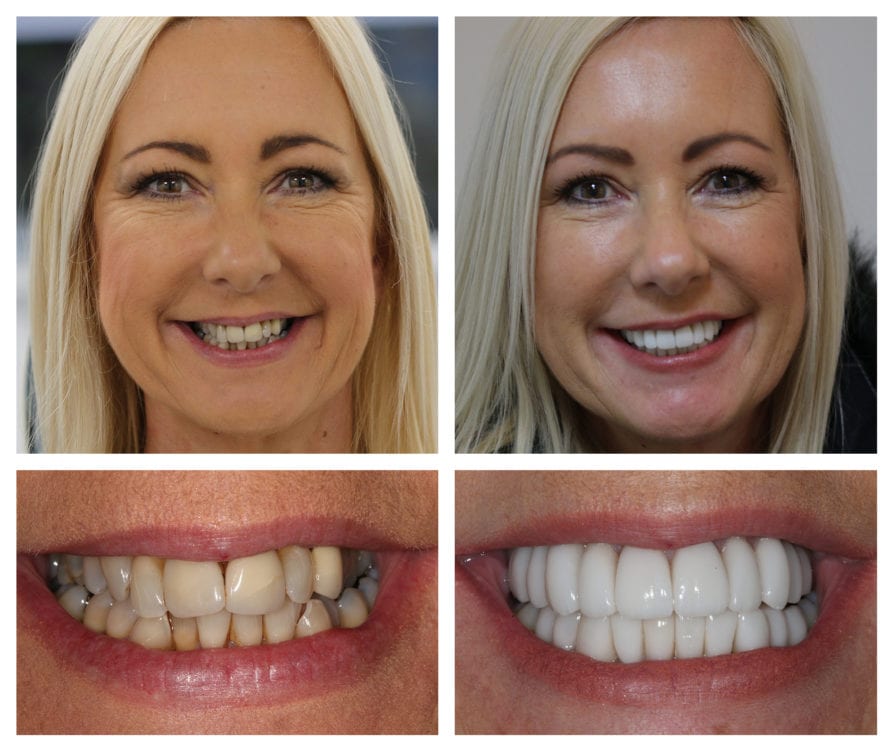
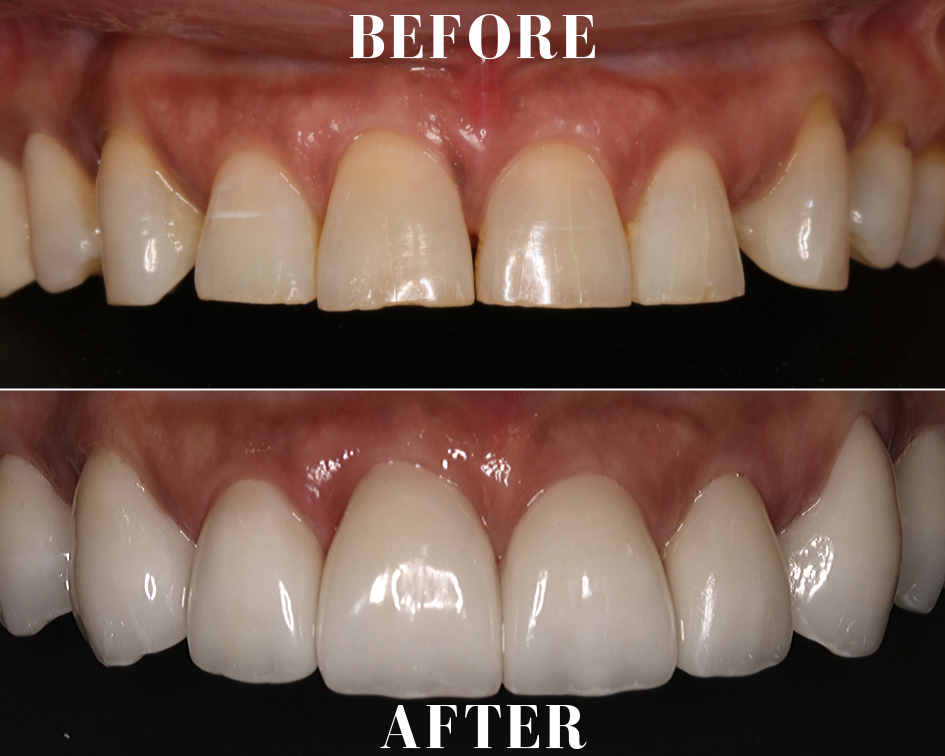
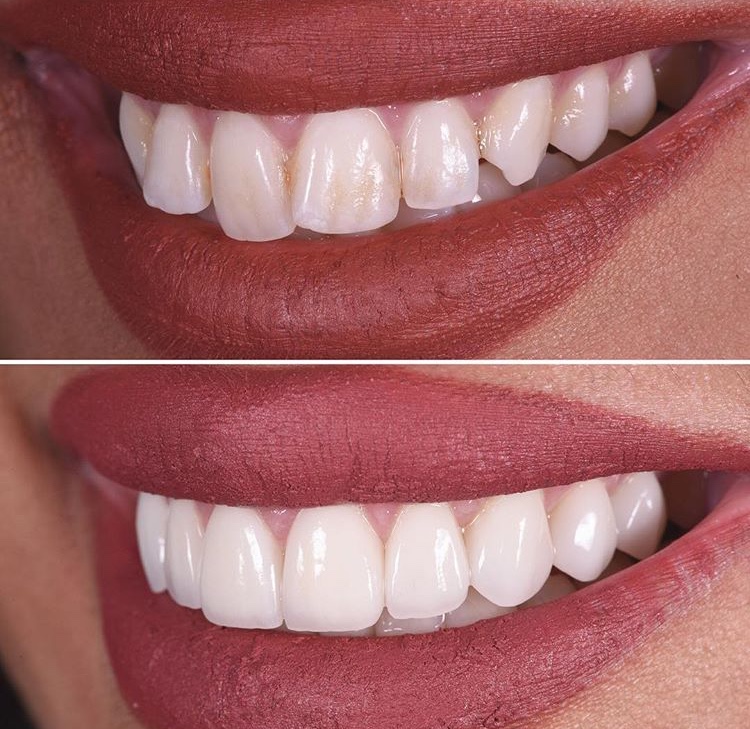
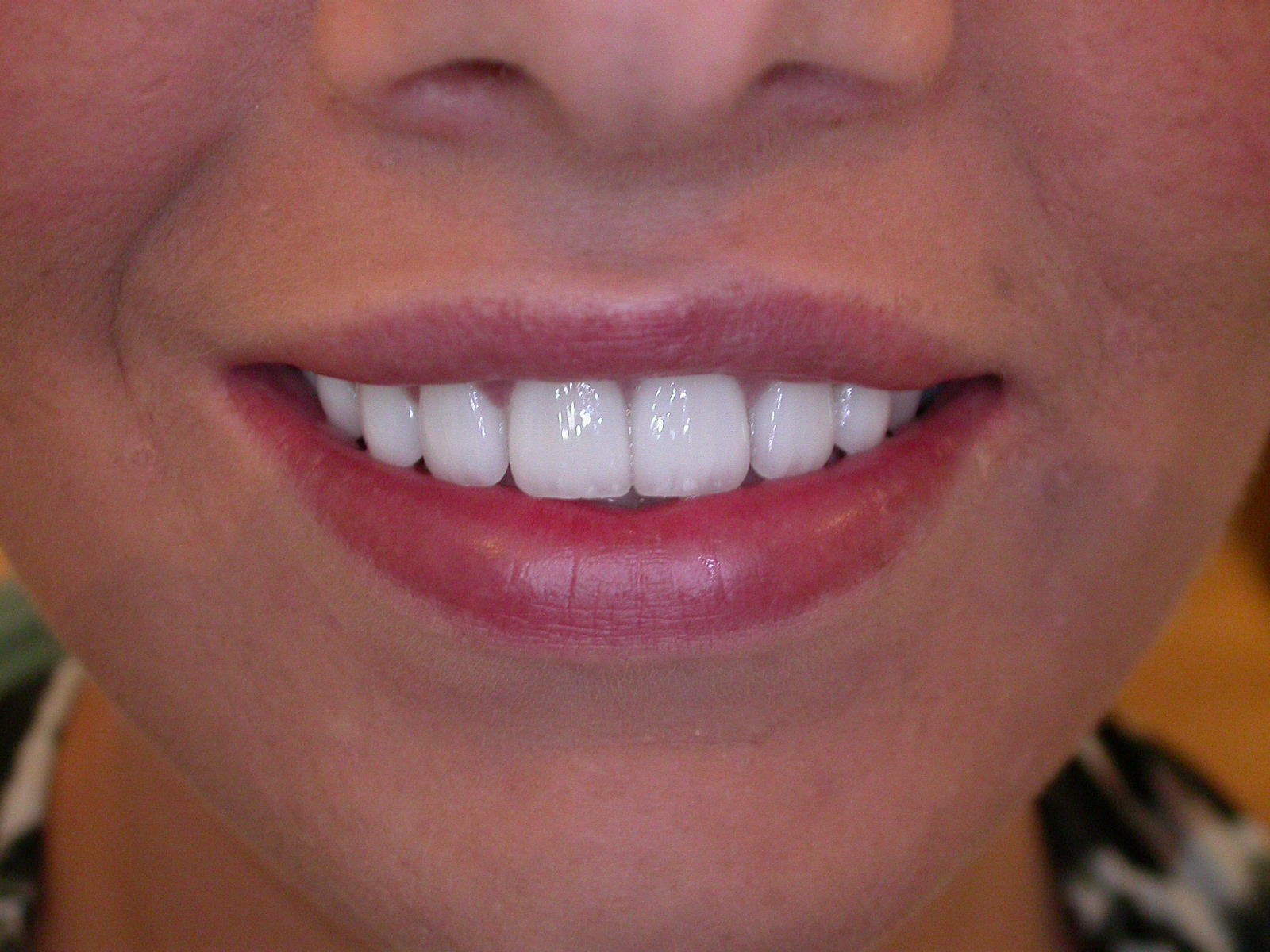
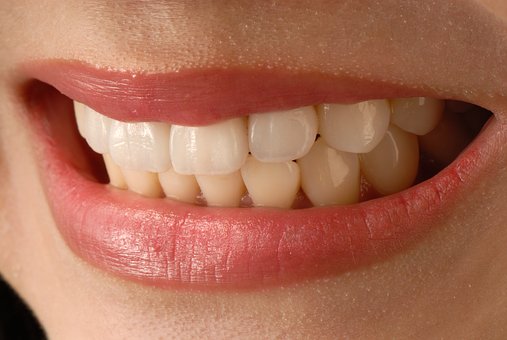
Compare Before & After Photos of Veneers
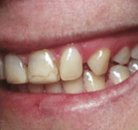
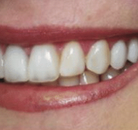
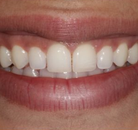
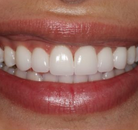
 Free
Free  Best Price
  Widest Selection
  Risk-Free
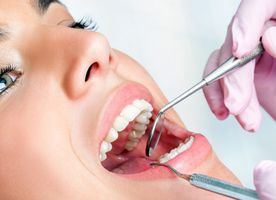
What does a Veneers Procedure Involve?
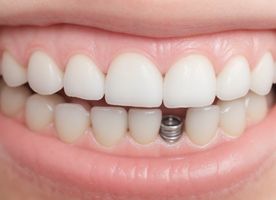
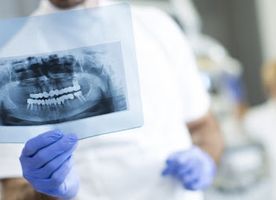
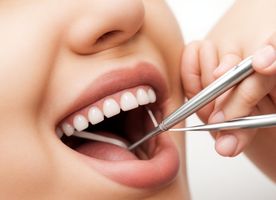
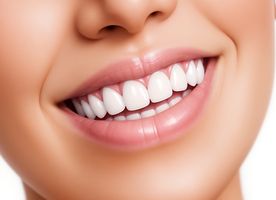
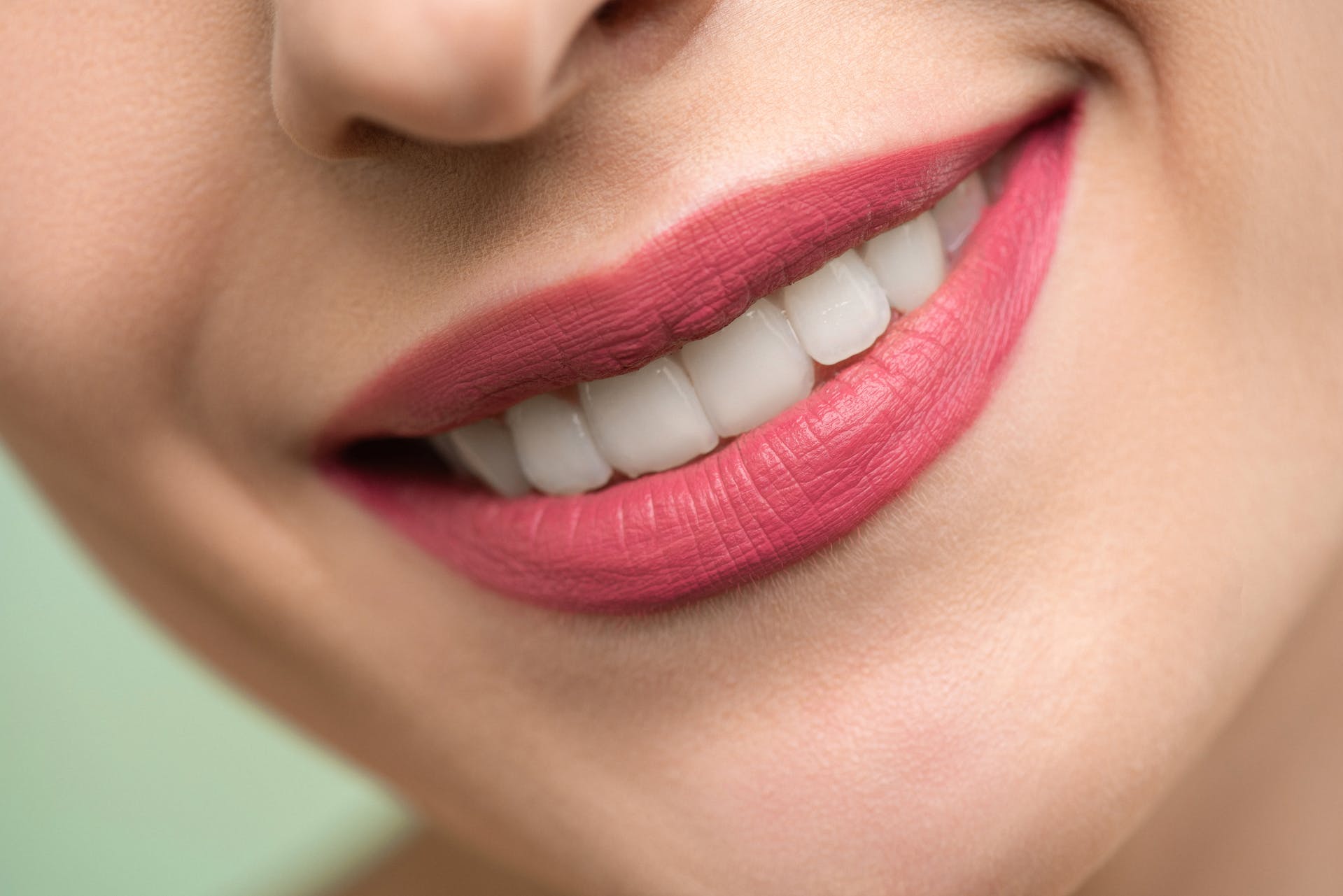
Veneers are used primarily for aesthetics. This type of treatment procedure is perfect for people who have gaps in their teeth, stains, as well as people who may have chipped a tooth. Veneers are custom-made shells designed to fit the shape of your teeth and to be attached to your front teeth to improve the size, shape, color, and length.
Two main types of veneers are:
- Composite Veneer - this type can be created by your dentist on the same day and directly applied to your teeth. You will only need a single appointment to complete the procedure.
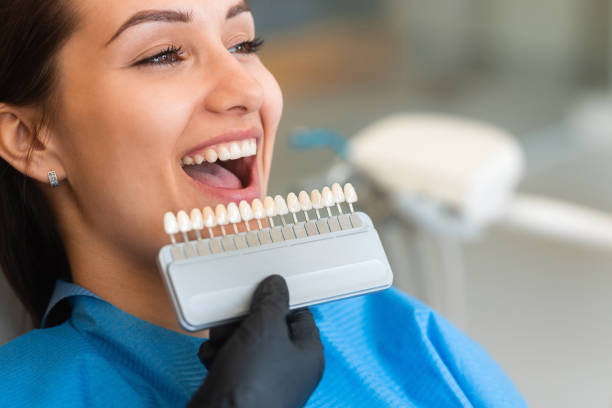
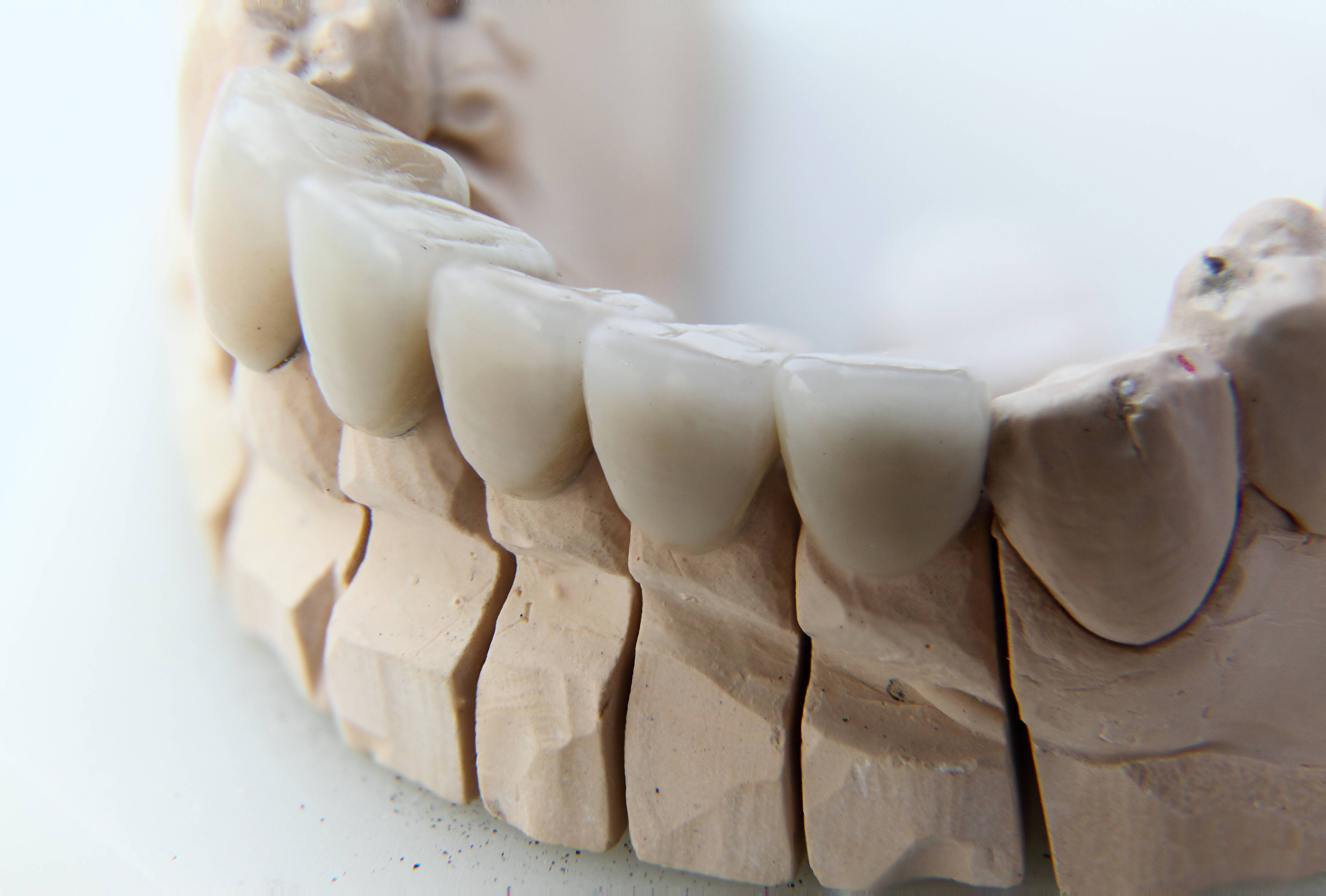
- Porcelain Veneer - this type is manufactured in a laboratory. Opting for a porcelain veneer will require you to have two appointments. First, is to prepare your teeth (enamel removal) and mold a model of your teeth to be created in the lab. The second is to finally cement your veneers onto your teeth.
The most commonly used type of Veneer is the Porcelain Veneer as it appears more natural and can resist stains better than composite veneers. Besides the two main types of veneers, some dentists may also offer no-prep veneers. These may include specific brands of procelain veneers like Vivaneers and Lumineers. They are less invasive to apply since the layers of tooth under the enamel aren't removed.
In terms of anesthetics, local anesthesia is not usually required while undergoing the whole procedure. However, depending on how you handle pain and discomfort, you may request to receive local anesthesia or sedation.
Aside from giving you a pleasing smile, veneers are resistant to staining and offer the best fix to broken or damaged teeth.
How Long Should I Stay in South Korea for a Veneers Procedure?
This type of procedure is an outpatient treatment, meaning you may be able to go home after undergoing the procedure. However, you will be required to do a follow-up check-up with your dentist to assess the placement of your veneers and in most cases, the procedure has to be carried out over 2 separate occasions, just a day or two apart. Since this is a non-invasive treatment, stitches are not required, but you will be required to stay in South Korea for at least a few days.
What's the Recovery Time for Veneers Procedures in South Korea?
There is actually no recovery time after the placement of your veneers. You can also return back to your daily routines including exercise immediately after your trip. As for the enamel removal, you may experience some mild discomfort for about a week. It is best that you avoid very hot or cold foods, including hard, chewy or crunchy food. When your sensitivity wears off, you can return to your normal dietary habits.
What sort of Aftercare is Required for Veneers Procedures in South Korea?
Once your dental veneers have been placed and you have completed the whole procedure, you should commit yourself to good oral hygiene, regular visits to your dentist and a good healthy lifestyle. Dental Veneers can last beyond 10 years now, however, just like your natural teeth, veneers are also still susceptible to damage. This is why aftercare is very important to help with the longevity of your new teeth.
What's the Success Rate of Veneers Procedures in South Korea?
Over the past years, many studies have reported that over 91% of people who have had dental veneers experienced highly positive results. However, potential risks and side effects after undergoing this procedure are a possibility. Just like any other dental restoration, dental veneers can have some side-effects, for example:
- Tooth sensitivity - since this procedure will require the removal of some enamel, your teeth will become slightly sensitive, following the placement of your veneers.
- Response from gum tissues - your gum tissue might take some time to adjust to your newly placed veneers. Expect to have some minor inflammation and/or discomfort in your gums.
- Risk of trauma - once your teeth’s enamel is removed, it will become more sensitive, thus it will be even possible for the pulp within your teeth to die.
- Possible Issues with placement - it's possible for your teeth to have issues with decay or chipping along the outer portion of your veneers. Gum irritation may also be possible. Other problems may include rough-edged veneers and overhanging veneers.
- Overall Discomfort - experiencing some discomfort after the procedure is to be expected. If you are particularly sensitive, it is advisable that you take an over the counter medication to help you relax and treat your pain.
Are there Alternatives to Veneers Procedures in South Korea?
You also have to be aware that this type of treatment option is not for everyone. If you are not a good candidate to undergo the procedure, note that there are still possible alternatives that will be suited for you. These alternatives may include:
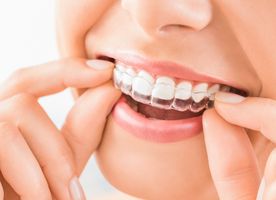
Orthodontics - if you have severely crooked teeth or malocclusion, dental veneers are not for you. You may want to consider a more comprehensive orthodontic procedure to treat your case.
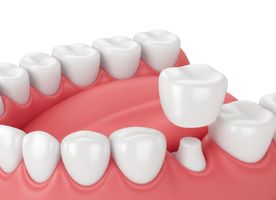
Dental crowns - these are quite similar to dental veneers. These are also custom-made to match the shape of your teeth. However, unlike veneers, a crown extends all the way around your tooth, meaning your dentist will remove a large portion of your dental structure. These crowns are perfect for patients who have considerable damage that affects the strength and structure of their teeth.
Bonding - often called composite veneers. This is typically for patients with an insufficient amount of tooth enamel.
This information has been accurately sourced and verified by a medical professional for its accuracy, however, we strongly recommend you to consult with your doctor before pursuing medical procedures overseas.


 MyMediTravel CN