 Sign in
  Add Your Clinic
  USD $
USD $



Bile Duct Cancer Treatment in South Korea
Search and Compare the Best Clinics and Doctors at the Lowest Prices for Bile Duct Cancer Treatment in South Korea

 Seoul, South Korea


 Airport pickup
  Family accommodation
  Flight booking
  Free Wifi
 Read More
Seoul, South Korea
Read More
Seoul, South Korea 


 Translation services
Seoul, South Korea
Translation services
Seoul, South Korea 


 Seo, 11 August 2020
  Hotel booking
  Interpreter services
Seoul, South Korea
Interpreter services
Seoul, South Korea 


No Time?
Tell us what you're looking for and we'll reach out to the top clinics all at once
 Free
Free  Best Price
  Widest Selection
  Risk-Free
What does a Bile Duct Cancer Treatment Procedure Involve?
Surgery
Surgery is performed to remove as much of the tumor as possible and some surrounding healthy tissue. There are several types of surgery to treat bile duct cancer, depending on the location of cancer.
-
Surgical removal of the bile duct – during this surgery, your surgeon removes the entire bile duct. This procedure is performed if the tumor is small and located only in the bile duct. It may also involve the removal of lymph nodes to check for cancer.
-
Partial hepatectomy – this procedure is performed when the cancer is found near the liver. It involves removing part of the liver where cancer is found. The part of the liver removed maybe a wedge of tissue or a bigger part of the liver and some normal tissue that surrounds it.
-
Whipple procedure – this is an extensive surgery in which your surgeon removes part or all of the pancreas, along with part of the bile duct, small intestine, and stomach. This procedure is only recommended if the cancer is located near the pancreas.
Radiation therapy
In radiation therapy, a high energy beam, such as X-rays or other particles, is used to destroy cancer cells. This type of treatment may involve inserting radioactive material inside your body near the location of cancer (brachytherapy) or use a special machine that can direct radiation beams at your body (external beam radiation).
Chemotherapy
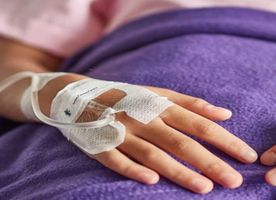
Chemotherapy is a type of cancer treatment that uses drugs to destroy cancer cells, usually by keeping the cancer cells from dividing, growing, and making more cells. There are several ways chemotherapy can be delivered. The most common ways include placing an intravenous (IV) tube into a vein using a needle or taking chemotherapy pills/capsules by mouth (orally).
Liver transplant
A liver transplant may be used when your bile duct cancer leads out to the liver and join with the gallbladder (hilar cholangiocarcinoma). During a liver transplant, your surgeon removes your liver and replaces it with one from a donor. However, since bile duct cancer tends to recur after transplantation, this procedure is rarely performed.
How Long Should I Stay in South Korea for a Bile Duct Cancer Treatment Procedure?
The kind of treatment you opt for in South Korea will dictate the length of your stay. For those who undergo surgical procedures, a hospital stay typically lasts from 5 to 10 days. This means anticipating being in-country for at least two weeks, or perhaps more.
After a surgical procedure, post-operative care is critical, and it typically takes a few additional days, apart from the hospital stay itself. As you plan your journey, keep in mind that your body will need time to recover and adjust before flying back home. Consequently, this will extend your stay in South Korea to ensure that you are fit to travel and that your healing process is going smoothly.
If your prescribed treatment course is therapy-based, your stay will be scheduled around your treatment cycles. This can vary widely depending on the type and extent of therapy you are receiving, and thus the exact length of stay is harder to predict.
What's the Recovery Time for Bile Duct Cancer Treatment Procedures in South Korea?
The road to recovery after bile duct cancer treatment isn't identical for everyone. It often depends on personal health, the severity of the condition, and the type of treatment. Generally, after surgical procedures, you might need at least a fortnight to start light activities like walking around the house or doing some minimal home chores. But it's vital to remember that any laborious tasks, especially heavy lifting, should be avoided for a minimum of six weeks post-surgery to allow proper healing.
Contrarily, when it comes to therapy-based treatments, the recuperation timeframe can fluctuate greatly. Some folks feel ready to jump back into their routine after a day or two. Others may need more downtime before they feel ready to return to work or their regular routine. The side effects of therapy, like fatigue and nausea, can influence how quickly you bounce back.
Navigating through such a significant health event can inevitably affect professional engagements. It might be worthwhile to have a frank conversation with your employer about your situation. Since every cancer journey is unique, it's essential to request flexibility in your schedule during your treatment. Cancer treatment can be arduous, and having an understanding workplace can significantly lessen the stress.
What sort of Aftercare is Required for Bile Duct Cancer Treatment Procedures in South Korea?
Post-treatment instructions form an essential part of your recovery journey. Your medical team will provide a tailor-made plan that suits your specific condition and needs. This plan may include vital details about diet recommendations, permissible exercises, any possible restrictions, wound care protocols (especially if you've undergone surgery), and guidance on managing potential side effects. Each of these elements plays a critical role in your recovery and ensures that you avoid any unnecessary complications. It is crucial to meticulously follow these guidelines to bolster a smooth and speedy recovery.
Post-treatment, especially once you've completed your main course of treatment, doesn't mean you're entirely done with hospital visits. Regular follow-ups with your healthcare team are a routine part of cancer care. These frequent check-ins are necessary to monitor your health, ensure a speedy recovery, and most importantly, to catch any potential signs of recurrence early.
Handling a cancer diagnosis necessitates comprehensive care, a significant part being aftercare. The journey doesn't only end with the successful completion of the treatment. Regular follow-ups, careful monitoring, and living a healthy lifestyle are essential aspects of the journey. Understanding the significance of these steps is integral for every cancer survivor to ensure continued well being.
What's the Success Rate of Bile Duct Cancer Treatment Procedures in South Korea?
Treating bile duct cancer, like any medical procedure, comes with its risks. Though it's generally considered safe and successful, certain surgeries like the Whipple procedure have a mortality rate. It's estimated between 5 to 10% of patients do not survive, mainly due to the complexity of the procedure.
Apart from this, other treatments can present various complications. Patients may experience bleeding, blood clot formation, infections, and in some rare cases, liver failure, or the abdominal cavity's bile leakage. These risks indeed exist, but are closely monitored by healthcare professionals ensuring proper and prompt response when they occur.
Also, some side effects - such as hair loss, appetite loss, nausea, and vomiting - often occur during the treatment process. Though they can be distressing, it's important to remember that they are usually temporary; they typically subside once the treatment is concluded. Your medical team will guide you through managing these side effects to ensure your comfort throughout the treatment journey. It is important to feel optimistic and persist on the road to recovery, even when confronting these challenges.
Are there Alternatives to Bile Duct Cancer Treatment Procedures in South Korea?
Partaking in a clinical trial is an alternative some individuals with bile duct cancer consider. Clinical trials are meticulously structured research projects designed to investigate new and promising treatment methods. They provide the chance to tap into advanced therapy options that might not yet be widely available. Participating not only provides a possibility of receiving potentially more effective treatment but also contributes to the science that can aid future patients. Yet, it is important to remember that these trials come with unknowns, and therefore deciding to join one should always involve an informed, careful discussion with your healthcare team.
Another aspect of addressing bile duct cancer is palliative care. Exclusive to symptom management, palliative treatments can significantly enhance a patient's quality of life. For instance, if a blocked bile duct is causing discomfort, stent placement or surgical bypass can offer relief. These treatments, aimed at reducing symptoms and improving comfort, can often coincide with the ongoing standard course of treatment. In essence, they coexist with the primary treatment plan, helping manage the disease's side effects while offering the best possible quality of life.
This information has been accurately sourced and verified by a medical professional for its accuracy, however, we strongly recommend you to consult with your doctor before pursuing medical procedures overseas.




 MyMediTravel CN