


What you need to know about Egg Freezing in Bangkok
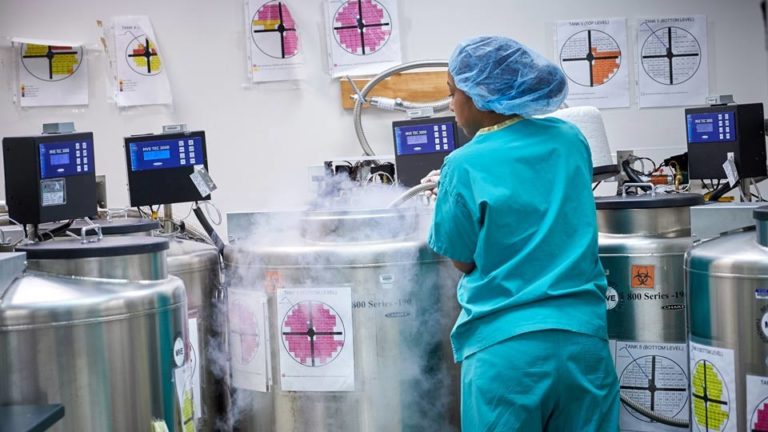
Egg Freezing, also known as Oocyte Cryopreservation, is a way of preserving a patient’s fertility so she can try to have a family in the future. It involves collecting eggs, freezing them and then thawing them later on so they can be used for fertility treatment.
Some patients freeze their eggs because they have a medical condition or are undergoing treatment that affects their fertility. It can also be used by women who aren’t ready or able to have children and want the chance of conceiving in the future. When you go for your initial consultation and evaluation with the specialist, ask questions regarding success rates and the risks involved.
You will need to be tested for any infectious diseases like HIV and Hepatitis. This has no bearing on whether you can freeze your eggs, it is to ensure that affected egg samples are stored separately to prevent contamination of other samples.
You'll then start the IVF (In vitro fertilization) process, which usually takes around two to three weeks to complete. Normally this will involve taking drugs to boost your egg production and help the eggs mature. When they’re ready, they’ll be collected whilst you’re under general anesthetic or sedation using an ultrasound-guided probe. The needle attached will pass through the vaginal wall and into the ovary, where it will draw the eggs. This can take less than 20 minutes and you can there is no need for overnight stay.
At this point, instead of mixing the eggs with sperm (as in conventional IVF) a cryoprotectant (freezing solution) will be added to protect the eggs. The eggs will then be frozen either by cooling them slowly or by vitrification (fast freezing) and stored in tanks of liquid nitrogen.


 Free
 Best Price
 Widest Selection
 Risk-Free

