 Sign in
  Add Your Clinic


 USD $
USD $




LASIK (Laser-Assisted In Situ Keratomileusis) is one of the most advanced and widely performed refractive eye surgeries in the world. It reshapes the cornea using an excimer laser to correct common vision problems such as myopia (nearsightedness), hyperopia (farsightedness), and astigmatism.
How LASIK Works
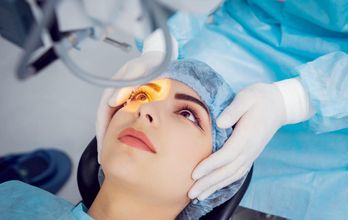
During the procedure, a very thin flap is created on the surface of the cornea. The underlying corneal tissue is then precisely reshaped with a laser to improve how light enters the eye and focuses on the retina. The flap is gently repositioned afterwards, allowing rapid healing.
Benefits of LASIK
Fast and painless procedure — typically 10–15 minutes per eye
Very quick recovery — most patients return to normal activities within 24 hours
High success rate with long-lasting vision improvement
Reduced dependency on glasses and contact lenses
Advanced wavefront and femtosecond technology for enhanced accuracy and safety
Who Is a Good Candidate?
Most adults between 18–60 years old with stable vision prescriptions can be suitable for LASIK. A detailed eye examination, including corneal thickness measurement and topography, is required before the operation.
After the Procedure
Patients may experience mild dryness or sensitivity for the first few hours. Eye drops and protective glasses are provided to support healing. Follow-up examinations are essential to monitor the recovery process.
Why Choose Turkey for LASIK?
Turkey is a global destination for laser eye surgery thanks to its highly experienced ophthalmologists, cutting-edge technology, and affordable all-inclusive medical packages, including consultations, medication, and VIP transportation.
 Free
Free  Best Price
  Widest Selection
  Risk-Free
  Airport pickup
  Cafe
Cafe  Document legalisation
  Free Wifi
  Hotel booking
  Interpreter services
  Local tourism options
  Local transportation booking
  Medical records transfer
  Online doctor consultation
  Parking available
  Pharmacy
  Private rooms for patients available
  Religious facilities
  Restaurant
  Safe in the room
  TV in the room
 LASIK (laser in situ keratomileuses), commonly referred to as laser eye surgery, is a type of refractive eye surgery to correct vision issues. The procedure reshapes the cornea in order to allow light that enters the eye to be properly focused onto the retina for better and clearer vision. It is mainly performed to treat hyperopia (farsightedness), myopia (nearsightedness), and astigmatism. In some cases, LASIK may also be performed on people with mild to moderate cases of refractive errors.
LASIK surgery is basically pain-free and quick. The results enable you to have improved vision eyeglasses or contact lenses. The procedure can be performed on people between the ages of 21 and 40. Sometimes, people over 40 years old can also undergo this procedure.
It is important to be aware that LASIK is not for everyone. There are some cases where patients are not recommended to undergo the procedure, particularly those with keratoconus, immune system disorders, large pupils, advanced glaucoma, eye issues caused by diabetes, past ocular herpes infection, autoimmune disorders, and dry eyes. Make sure to consult with your eye doctor before considering undergoing this type of surgery.
Before LASIK, you may have nearsightedness, farsightedness, or astigmatism and you are probably dependent on eyeglasses or contact lenses. Wearing either eyeglasses or contact lenses limits your activities. After LASIK, you can have a clear vision and live an active lifestyle, such as participating in sports. The procedure will significantly improve your quality of life.
During the day of the procedure, you may experience hazy or blurry vision. However, your vision will improve over the next couple of days after the procedure. If your job is not physically demanding, you should be able to go back to work within 2-3 weeks after the procedure. Your eyes will continue to heal and improve for about 6 months after LASIK. It is important to follow all aftercare instructions from your healthcare provider to minimize complications and accelerate the healing process.
LASIK offers a very high success rate. Studies revealed that 95% of patients with nearsightedness can achieve 20/25 vision following their surgery. More than 8 out of 10 people who’ve had :ASIK surgery no longer need glasses or contact lenses in their daily activities.
The results you will get depend on several factors, including your specific refractive error. Those with low degree nearsightedness usually achieve the most successful result. The results are less predictable on people with high degree farsightedness or nearsightedness, along with astigmatism.
Some LASIK patients require a second surgery for enhancement because the surgery results led to an under-correction. In some very rare cases, some people’s eyes can slowly return to the level of vision they had before surgery due to certain conditions, such as another eye problem, abnormal wound healing, and hormonal imbalances.
LASIK also carries some risks that you need to be aware of, including dry eyes, glare, double vision, halos, under-corrections, overcorrections, flap problems, astigmatism, regression, vision loss, and vision changes. Make sure to talk to your eye doctor about the risks.

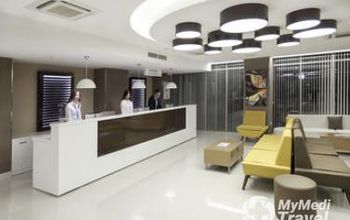
 Istanbul, Turkey
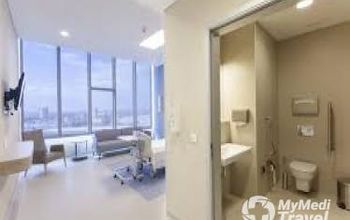 Istanbul, Turkey
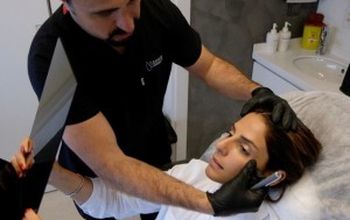 Istanbul, Turkey

 Istanbul, Turkey
  Istanbul, Turkey
 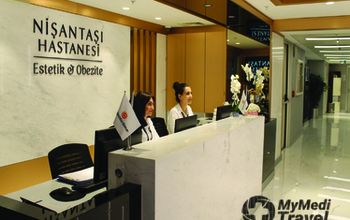 Istanbul, Turkey
 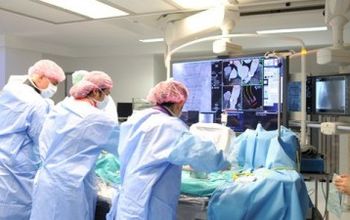 Istanbul, Turkey
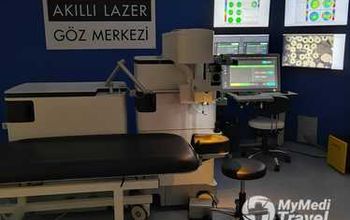 Istanbul, Turkey

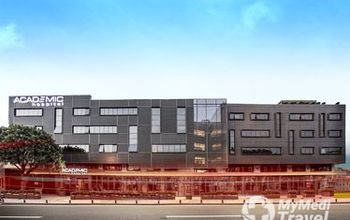 Istanbul, Turkey
 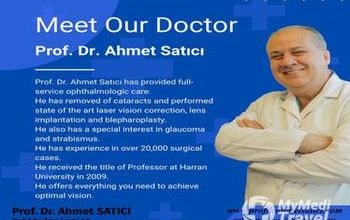 Istanbul, Turkey












LASIK (Laser-Assisted In Situ Keratomileusis) is one of the most advanced and widely performed refractive eye surgeries in the world. It reshapes the cornea using an excimer laser to correct common vision problems such as myopia (nearsightedness), hyperopia (farsightedness), and astigmatism.
How LASIK Works
During the procedure, a very thin flap is created on the surface of the cornea. The underlying corneal tissue is then precisely reshaped with a laser to improve how light enters the eye and focuses on the retina. The flap is gently repositioned afterwards, allowing rapid healing.
Benefits of LASIK
Fast and painless procedure — typically 10–15 minutes per eye
Very quick recovery — most patients return to normal activities within 24 hours
High success rate with long-lasting vision improvement
Reduced dependency on glasses and contact lenses
Advanced wavefront and femtosecond technology for enhanced accuracy and safety
Who Is a Good Candidate?
Most adults between 18–60 years old with stable vision prescriptions can be suitable for LASIK. A detailed eye examination, including corneal thickness measurement and topography, is required before the operation.
After the Procedure
Patients may experience mild dryness or sensitivity for the first few hours. Eye drops and protective glasses are provided to support healing. Follow-up examinations are essential to monitor the recovery process.
Why Choose Turkey for LASIK?
Turkey is a global destination for laser eye surgery thanks to its highly experienced ophthalmologists, cutting-edge technology, and affordable all-inclusive medical packages, including consultations, medication, and VIP transportation.




 MyMediTravel CN