 Sign in
  Add Your Clinic
  USD $
USD $



Colorectal Medicine in India
Search and Compare the Best Clinics and Doctors at the Lowest Prices for Colorectal Medicine in India
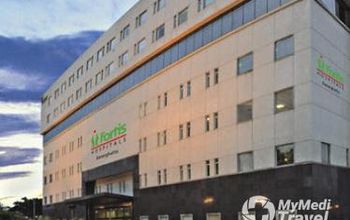
Fortis Hospital Bangalore
 Bangalore, India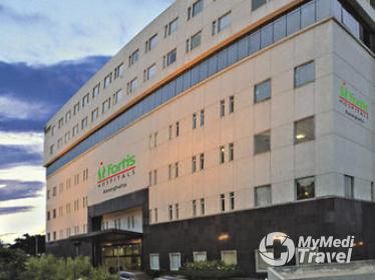


 International newspapers
  Read More
 Global Hospitals Mumbai
Mumbai, India 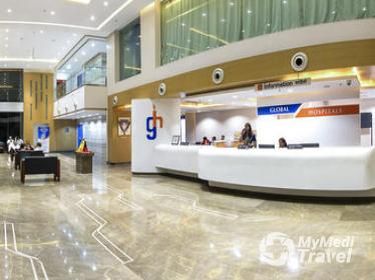


BGS Global Hospitals
Bangalore, India 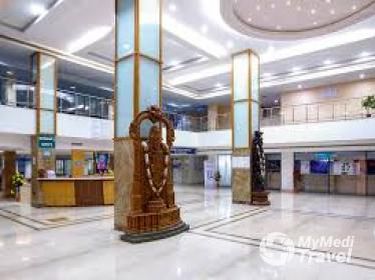


 B P, 22 September 2020
  Airport pickup
 Family accommodation
 Flight booking
 Free Wifi

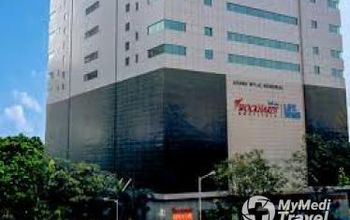
Wockhardt Super Specialty Hospital Mira Road
Mumbai, India 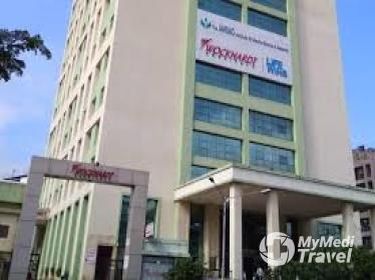


 Vinod Rathod, 23 September 2020
Airport pickup
Family accommodation
Free Wifi
Vinod Rathod, 23 September 2020
Airport pickup
Family accommodation
Free Wifi
 Interpreter services

AyurVAID Hospital
Bangalore, India 


Aster Medcity
Kochi, India 


 Lekha S, 23 September 2020
Airport pickup
Family accommodation
Flight booking
Free Wifi
Lekha S, 23 September 2020
Airport pickup
Family accommodation
Flight booking
Free Wifi
Sarvodaya Hospital and Research Center
Faridabad, India 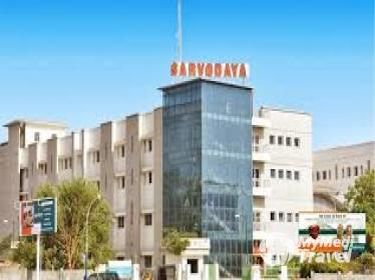


 Robin Tewatia, 21 September 2020
Airport pickup
Family accommodation
Flight booking
Free Wifi
Robin Tewatia, 21 September 2020
Airport pickup
Family accommodation
Flight booking
Free Wifi
Asian Heart Institute
Mumbai, India 


 Manish Sharma, 16 September 2020
Airport pickup
Family accommodation
Flight booking
Free Wifi
Manish Sharma, 16 September 2020
Airport pickup
Family accommodation
Flight booking
Free Wifi

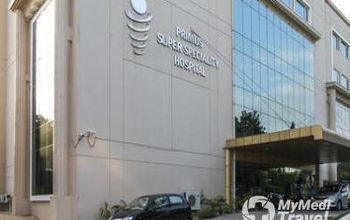
Primus Super Specialty Hospital
Delhi, India 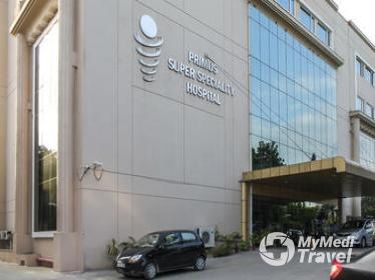


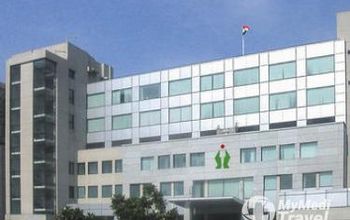
BLK Super Specialty Hospital
Delhi, India 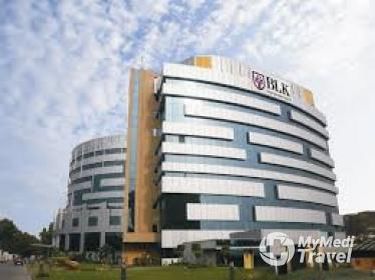


Fortis Hospital Mohali
Chandigarh, India 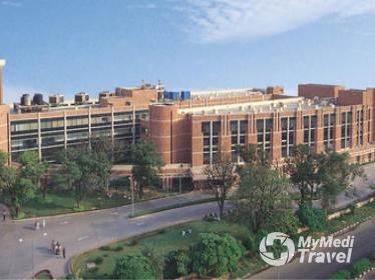


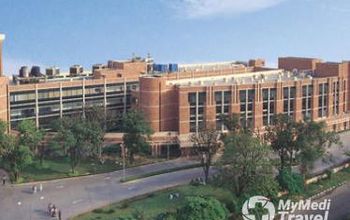
Apollo Hospital Indraprastha
Delhi, India 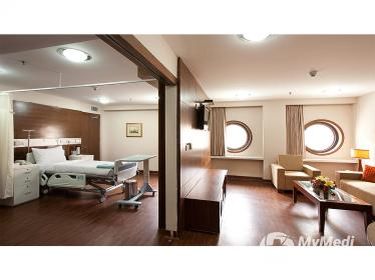


 Hotel booking
  Laundry
 AyurVAID Hospital - JayaNagar
Bangalore, India 


AyurVAID Hospital - Domlur
Bangalore, India 


AyurVAID Hospital - Ramamurthy Nagar
Bangalore, India 


AyurVAID Clinic - J P Nagar
Bangalore, India 

Zhi360 Wellness Center and Med Spa
Mumbai, India 
Sreshtakera
Bangalore, India Fortis Escorts Heart Institute
Delhi, India 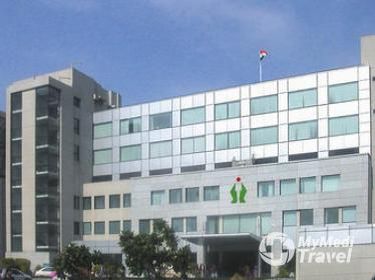


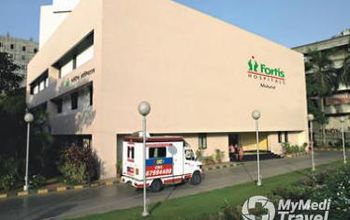
Fortis Hospital Mulund
Mumbai, India 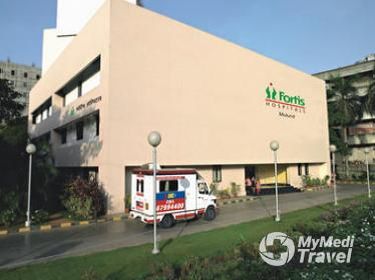


 Lalit Lakhanpal, 20 September 2020
Airport pickup
Family accommodation
Free Wifi
Interpreter services
Lalit Lakhanpal, 20 September 2020
Airport pickup
Family accommodation
Free Wifi
Interpreter services


Our partner clinics in India are accredited by the following associations


 Free
Free  Best Price
  Widest Selection
  Risk-Free
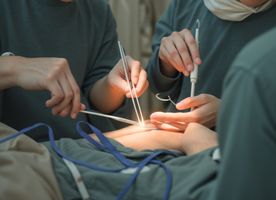
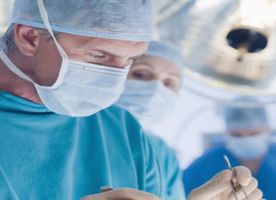
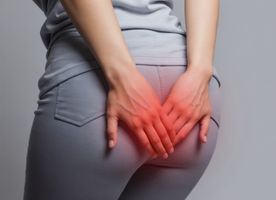
Colorectal medicine is a field of medicine that focuses on the disorders of the colon, rectum, and anus. Physicians specializing in this field of medicine are called colorectal doctor or colon and rectal doctor. They are trained to diagnose, treat, and manage a wide range of diseases, including Hemorrhoids, Anal itching, Fistulas, Anal fissures, Anal cancer, Colon cancer, Rectal cancer, Chron’s disease, Diverticulitis, Ulcerative colitis, Pilonidal cysts, Rectal prolapse, Fecal incontinence, Anal condyloma, Chronic constipation, Problems with bowel movements and urination.
Colorectal doctors are highly experienced and qualified to use numerous medical procedures to diagnose and treat conditions affecting the colon, rectum, and anus. These procedures include, but are not limited to Physical exams, including evaluation of vital signs and blood pressure, Colonoscopy, Barium enema, Digital rectal examination, Capsule Endoscopy, Proctoscopy, Sigmoidoscopy, Defecating proctography, Bowel surveillance.
Some colorectal doctors are also trained to perform surgery, such as bowel obstruction repair, pelvic laparoscopy, colectomy, colostomy, hemorrhoidectomy, polypectomy, strictureplasty, and more depending on the patient’s particular condition. They can also prescribe medications, such as antibiotics and anti-inflammatory drugs.
How Long Should I Stay in India?
The length of stay depends on the type of procedure you underwent. For most diagnostic procedures, you should be able to leave India within 2 to 3 days or until the results are ready. Once the result is ready, you will have to see your colorectal doctor. They will explain the results and discuss the treatment plan with you, if necessary. For surgical procedures, it is wise to stay for 3 to 7 days to let your body recover. You may also need to attend a follow-up checkup where your doctor removes the surgical stitches and monitor your healing progress.
What's the Expected Recovery Time?
For many procedures, such as colonoscopy and sigmoidoscopy, you should be able to resume normal activities within 24 hours or after the sedation wears off. With surgical procedures, it may take around six to twelve weeks until you can go back to your normal activity, with the exception of strenuous activities. Your doctor will give you a recovery timeline, which includes when you can return to work and your full daily activities.
What Aftercare is Required?
Your medical team will give you aftercare instructions. It may include recommended diet, exercises, activity restrictions, and wound care (if any incision were made). For cancer patients, you may need to attend regular checkups. You do have the option to have the checkups with your local doctor at home if you cannot travel to India multiple times. For non-cancer patients, your doctor will decide whether you need a follow-up checkup or not.
What's the Success Rate?
Thanks to the continuous advancement of colorectal medicine, the diagnostic procedures are now more accurate and the treatments are more successful than they were previously. More and more procedures are performed using new techniques and technology as well. For example, your doctor can now explore the entire colon without creating any incision or causing significant discomfort to you by using colon capsule endoscopy. However, this does not mean that there are no risks to colorectal procedures. Although uncommon, you still need to be aware of the risks, such as bleeding and infection.
Are there Alternatives?
In some cases, your general physician may be able to diagnose and treat your condition. However, if they think you need specialist treatment, they will still refer you to a colorectal doctor.
This information has been accurately sourced and verified by a medical professional for its accuracy, however, we strongly recommend you to consult with your doctor before pursuing medical procedures overseas.
 Bangalore, India
  Delhi, India
  Mumbai, India
  Delhi, India
  Mumbai, India
  Delhi, India
  Mumbai, India
  Chandigarh, India
  Mumbai, India
  Bangalore, India


 MyMediTravel CN