 Sign in
  Add Your Clinic
  USD $
USD $



Colposcopy in Thailand
Search and Compare the Best Clinics and Doctors at the Lowest Prices for Colposcopy in Thailand
 Bangkok, Thailand


 Glinda Deblois, 22 November 2020
  Airport pickup
 Family accommodation
 Free Wifi
 Hotel booking


 Read More


No Time?
Tell us what you're looking for and we'll reach out to the top clinics all at once
 Free
Free  Best Price
  Widest Selection
  Risk-Free



What does a Colposcopy Procedure Involve?
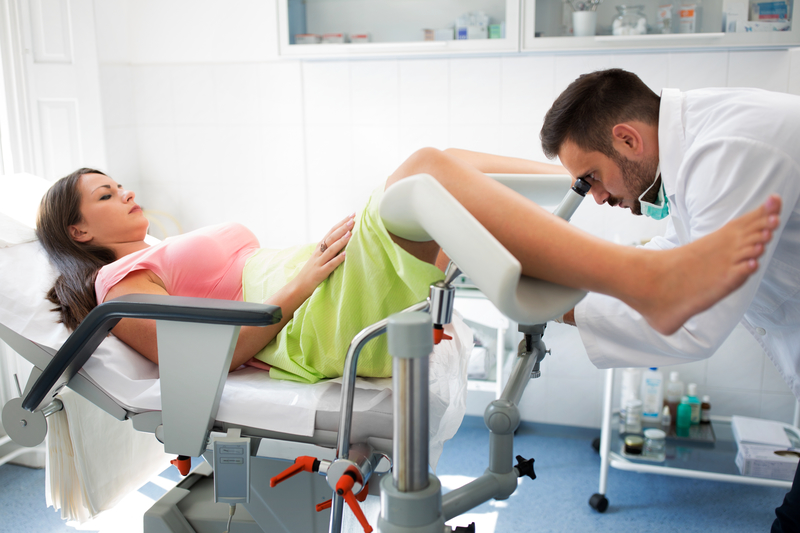
A colposcopy procedure undertaken in Thailand essentially follows similar protocols elsewhere. The procedure is typically conducted at a doctor's office or a hospital or clinic. Principally, the doctor will use a colposcope, a special magnifying instrument, to closely evaluate the cervix, vulva, and vagina.
To start the procedure, the patient is asked to undress from the waist down, similar to a pap smear, and lay on an examination table with their feet placed on stirrups. A speculum is carefully inserted into the vagina to hold it open. The doctor then employs the colposcope placed near the vulva to view the cervix clearly. The instrument does not touch or enter the body. A mild solution is applied to the cervix and vagina to highlight any unusual areas. If necessary, the doctor may perform a biopsy, which can produce a slight pinch or cramp.
How Long Should I Stay in Thailand for a Colposcopy Procedure?
Determining the duration of your stay in Thailand for a colposcopy procedure is a primarily individualized decision based on several elements. While the procedure itself is fairly brief, performed within a span of 20 minutes or less, additional factors could necessitate a longer stay. If you had a biopsy during your colposcopy, for example, the results usually take approximately a week to return, and follow-up appointments need to be scheduled accordingly.
Moreover, personal health conditions and the potential need for additional treatment could also affect your duration of stay. Consequently, the time required could vary from a single day for the procedure and immediate recovery to a week or even longer, inclusive of potential additional consultations or treatments. As always, discussing these elements with your healthcare provider is invaluable in providing the most accurate understanding of your likely timeline.
What sort of Aftercare is Required for Colposcopy Procedures in Thailand?
When it comes to recovering from a colposcopy procedure in Thailand, the timeframe regarding when one can return to their everyday activities is generally quite fast. In the majority of cases, patients can resume their normal routines on the same day as the procedure. That being said, it's not uncommon for patients to experience some minor discomforts such as light abdominal cramping or spotting for a few days following the procedure.
Should a biopsy be performed as part of the colposcopy, slight additional discomfort may be felt. Patients can also expect to observe a light-coloured vaginal bleeding or dark discharge that can last for several days post-procedure. Doctors typically suggest patients avoid strenuous activities, using tampons, or engaging in sexual intercourse until their recovery is complete, which often takes between one to two weeks. Adherence to your healthcare provider's care and recovery instructions can enhance your healing process significantly.
What's the Success Rate of Colposcopy Procedures in Thailand?
The term 'success rate' may not traditionally sit well with diagnostic procedures like a colposcopy, as the main aim here is not necessarily to treat, but to detect potential health problems. However, if one were to redefine the concept of success in terms of early detection and disease prevention, then the success rate of a colposcopy could certainly be measured.
Here's what you need to know:
- Colposcopy is a valuable tool in identifying precancerous or cancerous abnormalities. This early detection plays a pivotal role in the prevention of severe diseases such as cervical cancer.
- If we measure success by accuracy and efficiency of detection, colposcopy ranks high. Numerous studies underscore that colposcopy, in combination with a biopsy, has a significant detection accuracy rate.
- In terms of preventing disease progression, colposcopy can boast of a high 'success rate.' If the procedure identifies any suspicious tissues that could potentially progress into cancer if left untreated, the success of the colposcopy is in providing an opportunity for timely and adequate intervention.
- Consequently, the concept of 'success' for a colposcopy procedure in Thailand can be boiled down to its integral contribution to an effective cervical cancer screening and early detection program.
Remember to discuss these aspects further with your healthcare provider to get a more comprehensive understanding of the procedure's benefits.
Are there Alternatives to Colposcopy Procedures in Thailand?
In addition to colposcopy, a range of other diagnostic alternatives exists that provide similar investigative outcomes for the cervix, vulva, and vagina. These alternatives each have their unique advantages and contexts where they might be particularly appropriate:
- Pap Smear: Often the first line of defence against cervical cancer, a Pap smear collects cells from the cervix, analyzing them microscopically to detect potential cancerous changes.
- HPV DNA Testing: Particularly focused on identifying the strains of HPV—often implicated in cervical cancer—this test frequently complements a Pap smear, collectively forming part of a comprehensive cervical cancer screening regimen.
- Endometrial Biopsy: For some, an endometrial biopsy might be pursued. This technique involves receiving tissue samples directly from the lining of the uterus for precise evaluation.
- Pelvic Ultrasound: From a more technology-based perspective, a pelvic ultrasound can generate images of the pelvic organ structures, assisting in identifying or further characterizing an abnormality.
Please remember, while alternatives exist, the decision to pursue one over another should be made with consideration of your unique health situation and in consultation with your healthcare provider. They can help you understand which approach is likely to yield the most relevant information for your circumstances.
This information has been accurately sourced and verified by a medical professional for its accuracy, however, we strongly recommend you to consult with your doctor before pursuing medical procedures overseas.


 MyMediTravel CN