 Sign in
  Add Your Clinic
  USD $
USD $



Gastroenterology in Israel
Search and Compare the Best Clinics and Doctors at the Lowest Prices for Gastroenterology in Israel
Herzliya Medical Center
 Herzliya, Israel


 Abed Faroge, 22 September 2020
  Read More
 Assuta Hospital
Tel Aviv, Israel 


 Free Wifi
  Hotel booking
  Interpreter services
  Laundry
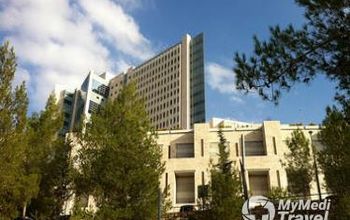
 Hadassah Medical Center
Jerusalem, Israel 


 Airport pickup
 Yitzhak Shamir Medical Center
Tzrifin, Israel 


 Family accommodation
  Flight booking
Tel Aviv Sourasky Medical Center (Ichilov Medical Center)
Tel Aviv, Israel 


 Medical records transfer
 MedEx
Tel Aviv, Israel 


 Translation services
IIMedCare
Tel Aviv, Israel 
 Cafe
Cafe  Mobility accessible rooms
  Parking available
 InterMedExpert
Tel Aviv, Israel 

Assuta Medical Center
Tel Aviv, Israel 


Our partner clinics in Israel are accredited by the following associations


 Free
Free  Best Price
  Widest Selection
  Risk-Free
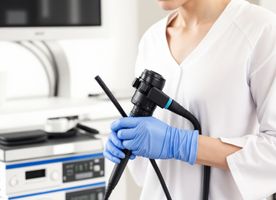



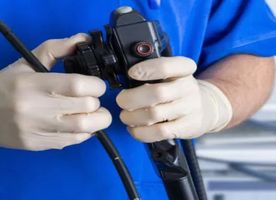





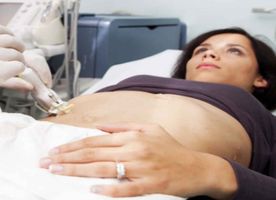


Gastroenterology is the field of medicine focused on the normal function and diseases of the digestive system or the gastrointestinal (GI) tract, including the esophagus, stomach, small intestine, pancreas, gallbladder, bile ducts, liver, as well as colon and rectum. Doctors who specialize in gastroenterology are called gastroenterologists. They are trained to diagnose and treat conditions of the digestive system. Some of the conditions that these specialists can treat include:
- Ulcers
- Acid reflux
- Irritable Bowel Syndrome (IBS)
- Polyps or growth that can occur in the large intestine (colon)
- Hepatitis C
- Jaundice (yellowing of the skin)
- Bloody stool
- Hemorrhoids
- Colon and bowel cancer
- Pancreatic cancer
- Esophageal cancer
- Gastric cancer
- Colitis
- Pancreatitis
While gastroenterologists can treat diseases of the digestive system, they do not perform surgery. If surgery is required they will work with or refer patients to a gastrointestinal surgeon. The following are a range of nonsurgical procedures that gastroenterologists perform:
- Colonoscopy to detect colon polyps and colon cancer
- Endoscopic ultrasound to examine the upper and lower GI tract
- Sigmoidoscopy to assess blood loss or pain in the bowel
- Endoscopic retrograde cholangiopancreatography to identify tumors, gallstones, or scar tissue in the bile duct
- Capsule endoscopy to examine the small intestine
- Liver biopsy to examine fibrosis and inflammation
- Polypectomy to remove a polyp.
How Long Should I Stay in Israel?
The type of procedure that you undergo determines your length of stay in Israel. Most procedures are performed on an outpatient basis, meaning you can leave the hospital or clinic on the same day. However, you generally need to stay in Israel for around a week for follow up appointments and to let your body recover before you can travel. If you undergo a diagnostic procedure, your doctor will discuss the results and create a treatment plan during the follow-up appointment.
What's the Expected Recovery Time?
Recovery time for gastroenterology procedures range from a day to 2 weeks, or sometimes longer, depending on the type of procedure. During the recovery period, it is important to avoid any strenuous activities. Your gastroenterologist will let you know the specific time you can resume your normal activities, go back to work, and perform vigorous exercises.
What Aftercare is Required?
It is crucial that you follow all of the instructions closely, to prevent the problem from getting worse or from reoccurring, you may need to make some dietary and lifestyle changes. You may also need to attend follow-up checkups to monitor your condition. You can have the checkups at home with your local doctor, or with your gastroenterologist in Israel.
What's the Success Rate?
Advances in gastroenterology have increased the safety and success rate of treatments. The diagnostic procedures offer high accuracy in finding problems within the gastrointestinal tract, and the treatments are found to be highly successful to treat conditions in the digestive system. For example, a colonoscopy now has a 94% success rate in capturing all colorectal cancer. Still, there are some risks to the procedures that you will need to be aware of, such as a tear in the intestine’s lining, excessive bleeding, adverse reaction to the equipment or medication used during the procedure, organ perforation, infection, and incomplete removal (for removal of polyps).
Are there Alternatives?
In most cases, there is no alternative to seeing a gastroenterologist if you experience problems in your digestive system and it is found to be caused by something else that is outside the gastroenterologists’ scope of practice, they will refer you to the relevant specialist.
This information has been accurately sourced and verified by a medical professional for its accuracy, however, we strongly recommend you to consult with your doctor before pursuing medical procedures overseas.

 Tel Aviv, Israel
 Jerusalem, Israel
  Herzliya, Israel
  Tel Aviv, Israel
  Tzrifin, Israel
  Tel Aviv, Israel
  Tel Aviv, Israel
  Tel Aviv, Israel
Herzliya, Israel
Tel Aviv, Israel
Herzliya, Israel  Tel Aviv, Israel




 MyMediTravel CN