 Sign in
  Add Your Clinic
  USD $
USD $



Vascular Medicine in Philippines
Search and Compare the Best Clinics and Doctors at the Lowest Prices for Vascular Medicine in Philippines
Asian Hospital and Medical Center
 Metro Manila, Philippines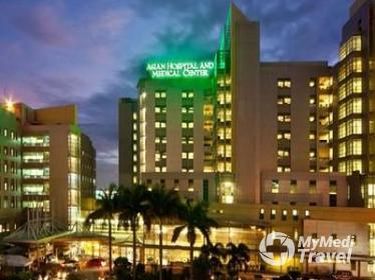


 Family accommodation
  Free Wifi
  Read More
 The Medical City
Metro Manila, Philippines 


 Mari Delos Santos, 16 April 2020
  Airport pickup
 Flight booking
 Hotel booking
 Interpreter services

St. Luke's Medical Center
Metro Manila, Philippines 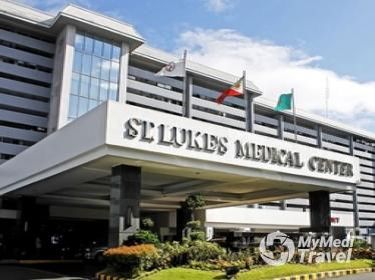


 Laundry


No Time?
Tell us what you're looking for and we'll reach out to the top clinics all at once
 Free
Free  Best Price
  Widest Selection
  Risk-Free
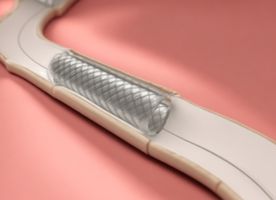
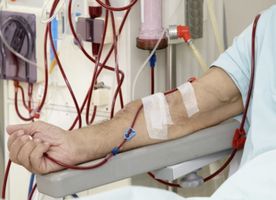

Vascular medicine, also known as angiology, is a medical specialty that deals with the diagnosis and treatment of all problems that involve the lymphatic and circulatory systems outside of the heart. These problems can involve:
- Arteries, which is the blood vessel that delivers oxygenated blood from the heart to other parts of the body.
- Veins, which is the blood vessel that delivers blood back to the heart.
- Lymphatic system, which is the network of vessels that transport lymph throughout the body.
A physician who specializes in vascular medicine is called an avascular doctor or vascular medicine specialist. They are trained to provide comprehensive and effective care for all kinds of vascular diseases and conditions of the circulatory system. Some of the most common conditions are as follows:
- Peripheral arterial disease or claudication, which is blockages in the leg arteries that can cause pain when walking.
- Renal artery stenosis, which is blockages in the kidney arteries. It can contribute to chronic kidney disease and/or high blood pressure.
- Carotid artery stenosis, which is blockages in the kidney arteries. It can lead to a stroke.
- Venous problems, such as chronic venous insufficiency and deep vein thrombosis (DVT).
- Abdominal aortic aneurysms, which is a bulging of the aorta. It can cause the aorta to rupture.
- Vasculitis, lymphedema, Raynaud’s, and varicose veins.
Vascular medicine doctors diagnose and treat all blood vessels conditions using numerous non-invasive and minimally invasive procedures, such as:
- Abdominal aortic ultrasound
- Carotid ultrasound
- Venous and arterial ultrasound
- Wound care
- Hyperbaric oxygen therapy
- Endovenous laser and radiofrequency ablation
- Sclerotherapy and ultrasound-guided sclerotherapy
- Ambulatory phlebectomy
- Anticoagulation management and monitoring.
How Long Should I Stay in Philippines?
Since most vascular medicine procedures can be performed as an outpatient procedure, you should be able to leave the hospital on the same day. Still, you should plan to stay in Philippines for at least 3 to 7 days to let your body recover and attend a follow-up checkup, if necessary. However, this depends on the condition and the type of treatment you will have.
What's the Expected Recovery Time?
Different conditions and procedures have different recovery times. In many cases, you can expect to return to work immediately or within a couple of days and strenuous activities within 5 days or so. However, for more serious conditions, such as renal artery stenosis, longer recovery time may be needed.
What Aftercare is Required?
Your doctor will give you aftercare instructions, which normally include activity restrictions, dietary and exercise recommendations, as well as how to care for yourself at home. Following all of the instructions is important to avoid complications and to speed up your recovery. If your doctor prescribes you medicines, make sure to take them as directed. For certain diseases, such as deep vein thrombosis, you may need to see your doctor regularly for scans to check your blood clots. If you cannot travel multiple times to Philippines, you can choose to have the checkups with your local doctor.
What's the Success Rate?
Over the last several decades, the clinical practice of vascular medicine has significantly changed. Understanding of vascular diseases is continuously expanding, resulting in the development of new therapeutic approaches. A better understanding of vascular conditions, new techniques, and technological advances have played crucial roles in improving the success rates and safety of vascular medical procedures.
Are there Alternatives?
There is currently no alternative to vascular medicine. However, if your doctor thinks that you need surgery, they will refer you to vascular surgery. They will also refer you to a relevant specialist if your condition is found to be caused by something else unrelated to the lymphatic and circulatory systems.
This information has been accurately sourced and verified by a medical professional for its accuracy, however, we strongly recommend you to consult with your doctor before pursuing medical procedures overseas.

 Metro Manila, Philippines
  Metro Manila, Philippines
  Metro Manila, Philippines




 MyMediTravel CN