 Sign in
  Add Your Clinic
  USD $
USD $



Hair Restoration in Philippines
Search and Compare the Best Clinics and Doctors at the Lowest Prices for Hair Restoration in Philippines
Manzanares Hair Restoration Center
 Metro Manila, Philippines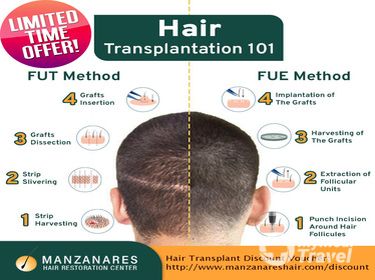


 Cafe
Cafe  Free Wifi
  Online doctor consultation
  Read More
 CorDerm Advanced Dermatology and Laser Center
Metro Manila, Philippines 


 Local transportation booking
  Medical records transfer
  Mobility accessible rooms
 Asian Hospital and Medical Center
Metro Manila, Philippines 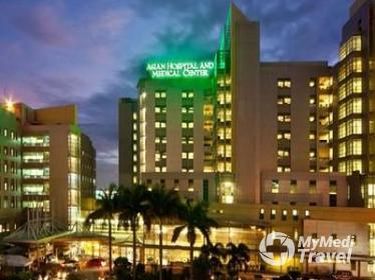


 Family accommodation
 The Medical City
Metro Manila, Philippines 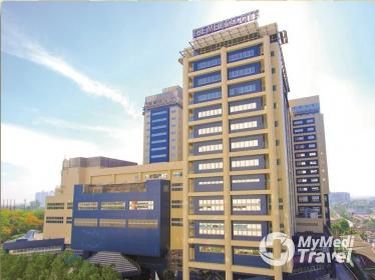


 Mari Delos Santos, 16 April 2020
  Airport pickup
 Flight booking
 Hotel booking
 Interpreter services

St. Luke's Medical Center
Metro Manila, Philippines 


 Laundry
Arambulo Dermatology Center
Metro Manila, Philippines 
Levana Dermatology Clinic
Metro Manila, Philippines 


Our partner clinics in Philippines are accredited by the following associations


 Free
Free  Best Price
  Widest Selection
  Risk-Free
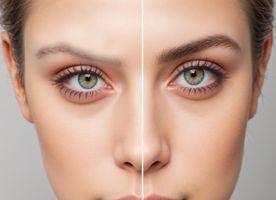
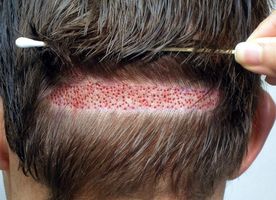

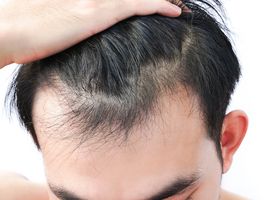
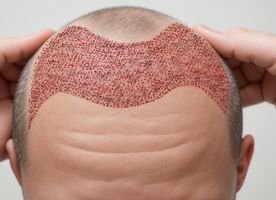
Hair restoration treatment is a solution for those who are battling hair loss or balding due to aging or diseases. The main goal is to give patients a full head of hair, as well as to improve their appearance and confidence. Hair restoration can be performed by dermatologists or plastic surgeons. There are numerous different types of hair restoration, ranging from non-surgical to surgical treatments. Some of the most common are:
- Prescription medicine – your doctor can prescribe medicine, such as minoxidil and finasteride, to help stop hair loss and regrow hair. These medicines are usually prescribed for those with pattern (hereditary) baldness, but may not restore as much hair as other types of hair restoration.
- Platelet-rich plasma (PRP) – this is a therapy procedure that involves drawing injections of a concentration of your own platelets to your scalp. It is commonly used for androgenic alopecia or male pattern baldness.
- Microneedling – during microneedling, a skin roller with small needles are used to cause minor skin injury to regenerate the health of the hair follicles, resulting in new hair growth. This procedure is recommended for alopecia areata, androgenic alopecia, and male pattern baldness.
- Scalp micro-pigmentation (SMP) – this is a type of hair tattooing to give an illusion of having a fuller head of hair. It can be done on any form of hair loss, including those with thinning hair, severe baldness, alopecia, as well as cancer patients and people who want to conceal scars from a hair transplant.
- Hairline lowering surgery – this procedure is best for those who have receding hairlines. It involves “moving” your hairline to its old position or a little closer to your brows.
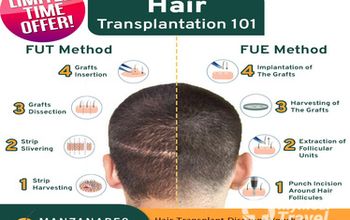
- Hair transplant – this is the most popular and effective hair restoration procedure. It works by moving hair follicles from one part of your body or scalp with healthy hair follicles to a balding or thinning part of your scalp. It can also be done to restore hair on other parts of the body, such as your brows.
How Long Should I Stay in Philippines?
The length of stay in Philippines can be different for every person, depending on the type of hair restoration procedure you underwent. In general, you may need to stay in Philippines for 2 to 7 days until you are allowed to travel home.
What's the Expected Recovery Time?
Different hair restoration procedures have different recovery times. With medications, microneedling, and PRP, no recovery time is usually needed. However, you may be advised to take it easy and avoid strenuous activities for 24 to 48 hours. With scalp micro-pigmentation, hairline lowering surgery, and hair transplant, you may need to take around 5 to 10 days off work. During this period, you should also avoid any strenuous activities.
What Aftercare is Required?
A detailed aftercare instruction will be given by your doctor. It is vital that you follow all of these instructions to get the best results and avoid complications. You may be asked to avoid hair accessories and styling your hair until your scalp has fully healed.
What's the Success Rate?
With continuous research, improvement in treatment techniques, and advancement in technology, hair restoration procedures are now more successful and safer than ever before. For example, the success rate of hair transplant now ranges from 95% to 98%, and modern hair transplant gives more natural results.
Are there Alternatives?
If you do not want to undergo any medical procedures or take any medications, you can try other hairstyles or use a wig as the non-surgical alternatives. It is best, however, that you consult your doctor regarding the best alternatives for your specific case.
This information has been accurately sourced and verified by a medical professional for its accuracy, however, we strongly recommend you to consult with your doctor before pursuing medical procedures overseas.
 Metro Manila, Philippines
  Metro Manila, Philippines


 Metro Manila, Philippines
  Metro Manila, Philippines
  Metro Manila, Philippines
  Metro Manila, Philippines
  Metro Manila, Philippines
Cagayan, Philippines
Metro Manila, Philippines
Cagayan, Philippines 


 MyMediTravel CN