 Sign in
  Add Your Clinic
  USD $
USD $



Nephrology in United Arab Emirates
Search and Compare the Best Clinics and Doctors at the Lowest Prices for Nephrology in United Arab Emirates
NMC Royal Hospital, DIP, Dubai
 Dubai, United Arab Emirates


 opeyemi oyinlola, 19 February 2023
  Airport pickup
 Cafe
Cafe
 Family accommodation
 Flight booking
 Read More
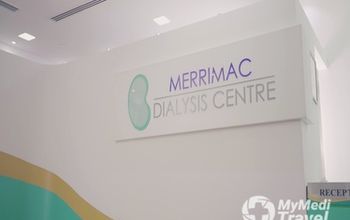
 Merrimac Dialysis Center
Dubai, United Arab Emirates 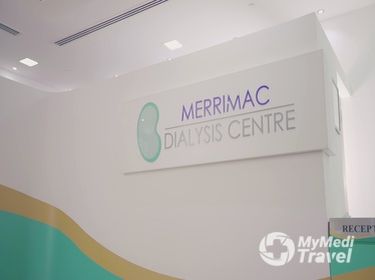


 Local transportation booking
  Mobility accessible rooms
  Parking available
 NMC Royal Hospital, Sharjah
Sharjah, United Arab Emirates 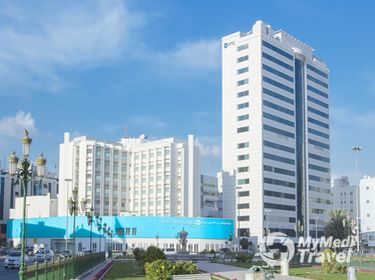


 Mudasar Bhatti, 06 November 2023
Airport pickup
Cafe
Family accommodation
Mudasar Bhatti, 06 November 2023
Airport pickup
Cafe
Family accommodation
 Free Wifi
Medeor 24x7 Hospital Dubai
Dubai, United Arab Emirates 


 nikolaev boris, 22 September 2020
Airport pickup
Free Wifi
nikolaev boris, 22 September 2020
Airport pickup
Free Wifi
 Hotel booking
 Interpreter services

Saudi German Hospital Dubai
Dubai, United Arab Emirates 


Cleveland Clinic Abu Dhabi
Abu Dhabi, United Arab Emirates 


RAK Hospital
Sharjah, United Arab Emirates 


 Laundry
 Dr Shameer, Specialist Urologist
Dubai, United Arab Emirates 


Our partner clinics in United Arab Emirates are accredited by the following associations


 Free
Free  Best Price
  Widest Selection
  Risk-Free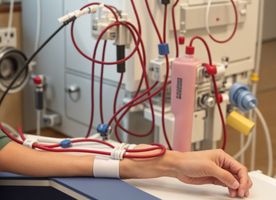


Nephrology is a branch of medicine that deals with the kidneys, specifically normal kidney function, the preservation of kidney health, kidney disease, and the treatment of kidney disease. A physician who specializes in the care and treatment of kidney disease is called a nephrologist.
Some of the most common conditions nephrologist treat are as follows:
- Advanced or chronic kidney disease
- Tubulointerstitial kidney diseases
- Tubular defects
- Glomerular conditions, such as nephrotic syndrome and glomerulonephritis
- Kidney infections
- Kidney vascular conditions
- Kidney neoplasms
- High blood pressure
- Structural or functional abnormalities of the kidney, urine collection system, or bladder
- Vasculitis
- Electrolyte, fluid, and acid-base imbalances or disturbances
- Autoimmune conditions that involve the kidneys
Nephrologists can perform a wide range of tests, procedures, and treatments. These include:
- Blood tests, including serum creatinine, glomerular filtration rate, and blood urea nitrogen.
- Urine tests, including urinalysis, 24-hour urine test, creatinine clearance, and microalbuminuria.
- Imaging tests of the kidneys, such as CT scans, ultrasounds, or X-rays.
- Dialysis, including placement of the dialysis catheter.
- Kidney biopsy.
- Kidney transplants.
How Long Should I Stay in United Arab Emirates?
After laboratory tests (blood and urine tests) and imaging tests, you should be able to leave the hospital right away, while with biopsy, you may need to stay overnight. However, you may need to stay in United Arab Emirates for a few more days to wait for the results. Once the results are ready, your nephrologist will explain them during a follow-up appointment. After kidney transplants, you usually need to stay in the hospital for 5 to 10 days and stay for 7 to 14 more days in United Arab Emirates. During your stay, ensure to attend all of the scheduled follow-up checkups with your nephrologist.
What's the Expected Recovery Time?
Recovery time depends on the type of procedure you underwent. For laboratory and imaging tests, you should be able to resume your normal daily activities immediately, though your nephrologist may advise you to rest for the remainder of the day. After a biopsy, avoid strenuous activity for 2 to 3 days. Since a kidney transplant is a major surgery, the recovery time until you can return to work and other normal activities may take around 8 weeks.
What Aftercare is Required?
Your nephrologist will give you aftercare instructions that you will need to follow and you will also need to make healthy lifestyle changes to maintain the health of your kidney after treatment. You will need to attend regular checkups to check how well your new kidney is working and also will be taking medication for the rest of your life, including drugs called immunosuppressant’s to help keep your immune system from rejecting and attacking your new kidney.
What's the Success Rate?
As the field of nephrology continues to advance, the outcomes of tests and treatments are constantly improving. This means that patients now have more chances to be diagnosed early and receive successful treatments. The success rate for nephrology procedures is proven to be generally high. For example, 93% of kidney transplants are working at the end of the 1st year. However, every procedure always comes with risks, such as infection, excessive bleeding, and damage to other organs.
Are there Alternatives?
There is no alternative to seeing a nephrologist if you have kidney problems. If your condition is found to be caused by problems in other organs, your nephrologist may work with or refer you to the relevant specialist.
This information has been accurately sourced and verified by a medical professional for its accuracy, however, we strongly recommend you to consult with your doctor before pursuing medical procedures overseas.

 Dubai, United Arab Emirates
  Sharjah, United Arab Emirates
  Dubai, United Arab Emirates
  Dubai, United Arab Emirates
  Abu Dhabi, United Arab Emirates
  Dubai, United Arab Emirates
  Sharjah, United Arab Emirates
  Dubai, United Arab Emirates




 MyMediTravel CN