 Sign in
  Add Your Clinic
  USD $
USD $



Reproductive Medicine in United Arab Emirates
Search and Compare the Best Clinics and Doctors at the Lowest Prices for Reproductive Medicine in United Arab Emirates
Canadian Specialist Hospital
 Dubai, United Arab Emirates


 Jonna marika, 14 September 2020
  Airport pickup
 Document legalisation
 Free Wifi
 Health insurance coordination

 Read More
 Alkhayal Medical Centre
Dubai, United Arab Emirates 


 International newspapers
Dr. Faris Medical Laboratory
Dubai, United Arab Emirates 


Medeor 24x7 Hospital Dubai
Dubai, United Arab Emirates 


 nikolaev boris, 22 September 2020
Airport pickup
Free Wifi
nikolaev boris, 22 September 2020
Airport pickup
Free Wifi
 Hotel booking
 Interpreter services
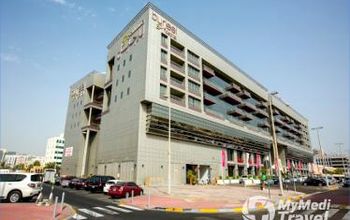
Burjeel Hospital
Abu Dhabi, United Arab Emirates 


 Junaid Tehseen, 22 September 2020
Interpreter services
Junaid Tehseen, 22 September 2020
Interpreter services
 Medical travel insurance
 Parking available
 Private rooms for patients available
NMC Hospital DIP
Dubai, United Arab Emirates 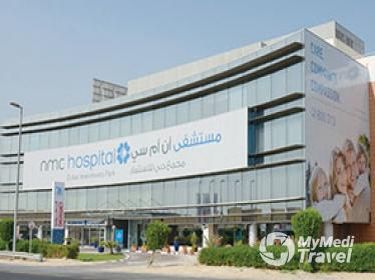


 Iman Jumani, 21 September 2020
Airport pickup
Iman Jumani, 21 September 2020
Airport pickup
 Cafe
Cafe
 Family accommodation
Free Wifi
Family accommodation
Free Wifi
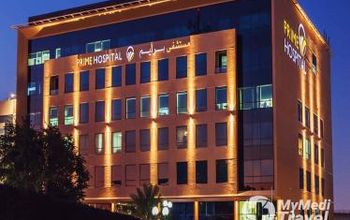
Prime Hospital
Dubai, United Arab Emirates 


 aswathi anilkumar, 20 September 2020
  Local tourism options
 Medical records transfer
 Mobility accessible rooms
 Online doctor consultation

RAK Hospital
Sharjah, United Arab Emirates 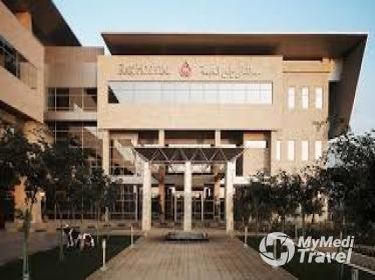


 Laundry
 Dr Shameer, Specialist Urologist
Dubai, United Arab Emirates 


Our partner clinics in United Arab Emirates are accredited by the following associations


 Free
Free  Best Price
  Widest Selection
  Risk-Free
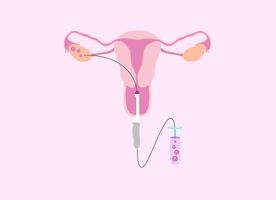



Reproductive medicine is a field of medicine that deals with the prevention, diagnosis, and management of male and female reproductive issues. It encompasses the prevention and assessment, as well as the treatment and prognosis of a wide variety of reproductive conditions. The main goal of reproductive medicine is to improve or maintain the female and male reproductive systems. Reproductive medicine specialists particularly treat and advise on any issues impacting a person’s or a couple’s ability to conceive. They treat issues of puberty, sexual education, family planning, birth control, infertility, sexual dysfunction, and reproductive system disease, such as:
- Infectious diseases, such as reproductive tract infections (RTIs) and sexually transmitted infections (STIs).
- Cancer that affects the reproductive system, such as breast cancer, ovarian cancer, penile cancer, and prostate cancer.
- Conditions that affect fertility, such as polycystic ovary syndrome (PCOS), endometriosis, fibroids, hypothyroidism, cryptorchidism, vasectomy, and retrograde ejaculation.
- Congenital abnormalities, such as imperforate hymen and epispadias.
- Endocrine disorders, such as teratoma, hypogonadism, idiopathic hirsutism, androgen insensitivity syndrome, ovarian cysts, and hypopituitarism.
Tests and treatments that reproductive medicine may perform include:
- Full medical history assessment
- Physical examination
- Blood tests
- Imaging techniques, such as pelvic ultrasounds
- Investigations of semen samples
- Ovulation induction
- Assisted reproductive technology (ART) such as in-vitro fertilization (IVF), fertility medication, artificial insemination (AI), embryo transfer, and frozen embryo replacement (FER)
- Open surgery
- Laparoscopic surgery
- Prescribing medication, such as antibiotics for bacterial infections or highly active antiretroviral therapy (HAART) for the HIV virus.
Reproductive medicine is a multidisciplinary branch of medicine that combines physiology, endocrinology, and anatomy, as well as some aspects of biochemistry and molecular biology. Reproductive medicine also overlaps with other branches of medicines, such as gynecology, urology, obstetrics, and psychiatry.
How Long Should I Stay in United Arab Emirates?
Your length of stay in United Arab Emirates depends on your specific condition and the type of test and/or treatment you underwent. In general, it is advisable that you stay in United Arab Emirates for at least 1-3 weeks, although you may be able to travel home within 1 to 2 days after some diagnostic tests. During your stay, you will attend follow-up appointments.
What's the Expected Recovery Time?
Your specific condition, the type of test/treatment you underwent, the technique your doctor used, and your overall health determines the recovery time. For open surgery, it may take around 4 to 6 weeks until you are allowed to resume your normal activity and to go back to work. Laparoscopic surgery offers shorter recovery time, usually only 3 to 4 weeks until you can return back to your normal activity level. For non-surgical procedures, such as IVF, you should be able to go back to your normal routine immediately after the procedure.
What Aftercare is Required?
You will be given detailed aftercare instructions that you will need to follow. In most cases, you will attend regular checkups with your reproductive medicine specialist in United Arab Emirates or with your local doctor back at home.
What's the Success Rate?
The advancement of reproductive medicine and a better understanding of the human reproductive system has lead to an increased safety and success rate of the reproductive system’s tests and treatments. The field has allowed the development of assisted reproductive technology (ART), resulting in advances in overcoming infertility. ART is also safer than surgical procedures, minimizing the risks that surgical procedures carry.
Are there Alternatives?
Depending on your specific case, you may be able to see a gynecologist, urologist, obstetrician, or even oncologist as the alternative to seeing a reproductive medicine specialist. It is best, however, to talk to your general physician first as they will be able to direct you to the right specialist.
This information has been accurately sourced and verified by a medical professional for its accuracy, however, we strongly recommend you to consult with your doctor before pursuing medical procedures overseas.
 Dubai, United Arab Emirates
  Abu Dhabi, United Arab Emirates
  Dubai, United Arab Emirates
  Dubai, United Arab Emirates
  Dubai, United Arab Emirates
  Sharjah, United Arab Emirates
  Dubai, United Arab Emirates
  Dubai, United Arab Emirates
  Dubai, United Arab Emirates




 MyMediTravel CN